

Evaluate peri-implant soft tissue conditions
Assess phenotype, tissue thickness, keratinized mucosa, implant position and restorative contours before selecting the intervention.
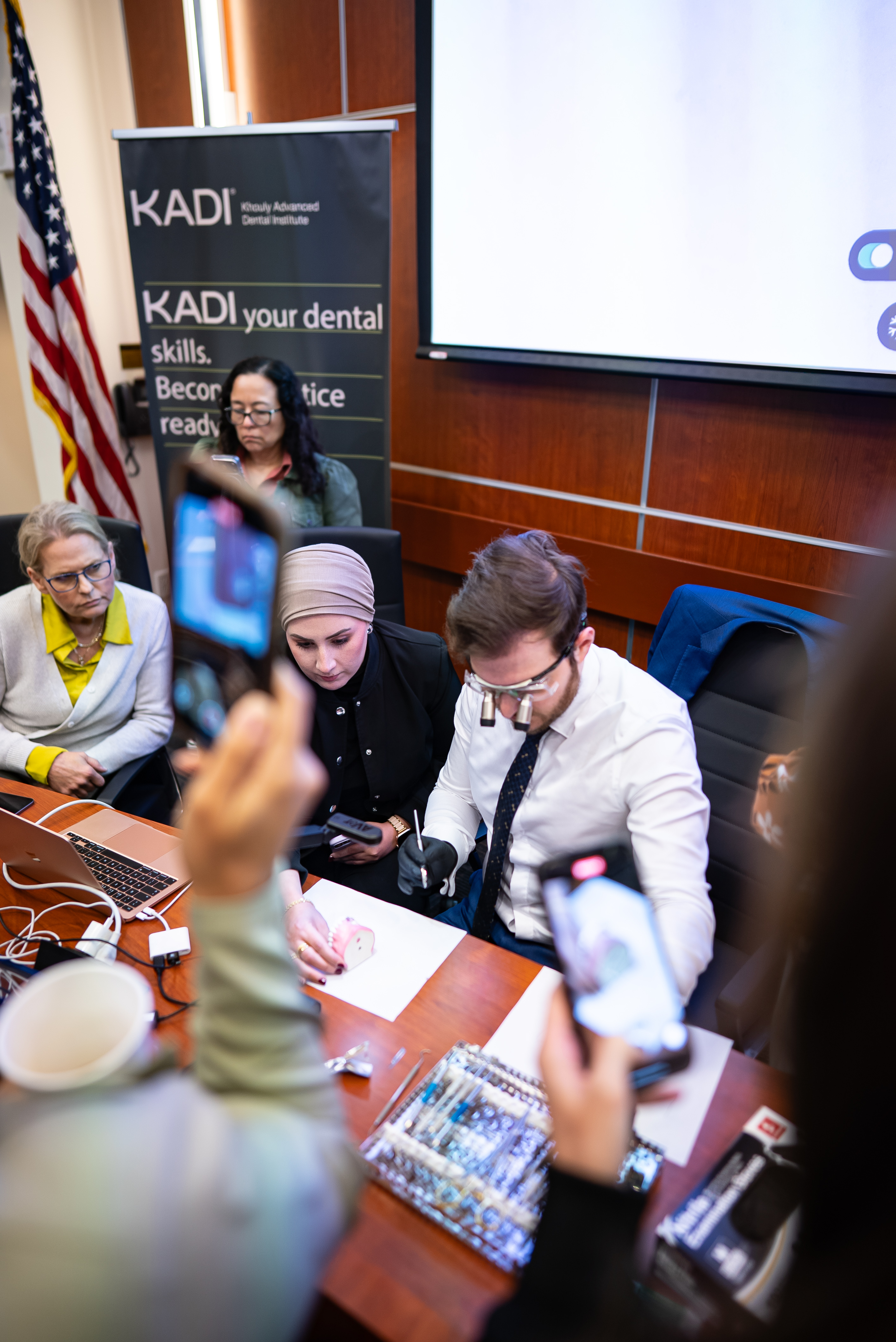
Build stable, healthy and aesthetic peri-implant tissues with a clear protocol for harvesting, augmentation and complication management.
Two days. Four hands-on sessions. Predictable peri-implant tissue management.
INTENSIVE DAYS
HANDS-ON SESSIONS
CE CREDITS
PRACTICAL
This course addresses the decisions that determine whether peri-implant tissues remain healthy and aesthetic: phenotype assessment, keratinized mucosa, tissue thickness, donor-site selection, graft positioning and management of existing deficiencies.
Soft tissue complications are difficult to correct when implant position, phenotype and prosthetic contours are considered separately. These two days connect surgical and restorative decision-making through one structured workflow.
What you hear in the clinic
"I can place and restore implants, but I am not always confident choosing the right soft tissue approach for each site."
What the course teaches
A repeatable protocol for harvesting, keratinized mucosa augmentation, thickness enhancement and esthetic complication management.
What changes Monday
Clearer case selection, more intentional tissue management and peri-implant outcomes planned around long-term stability.
Six practical capabilities that connect tissue assessment, autogenous grafting, phenotype modification and esthetic complication management.
Assess phenotype, tissue thickness, keratinized mucosa, implant position and restorative contours before selecting the intervention.
Practice free gingival and connective tissue graft harvesting from the palate, retromolar area and edentulous ridges.
Use free gingival and strip graft techniques to improve tissue quality, hygiene access and peri-implant stability.
Apply autogenous grafts, dermal matrices and collagen matrices to improve soft tissue thickness and contour.
Integrate grafting and conditioning techniques into immediate implant workflows, especially in the esthetic zone.
Combine surgical and prosthetic strategies to manage recession, volume loss and contour deficiencies around implants.
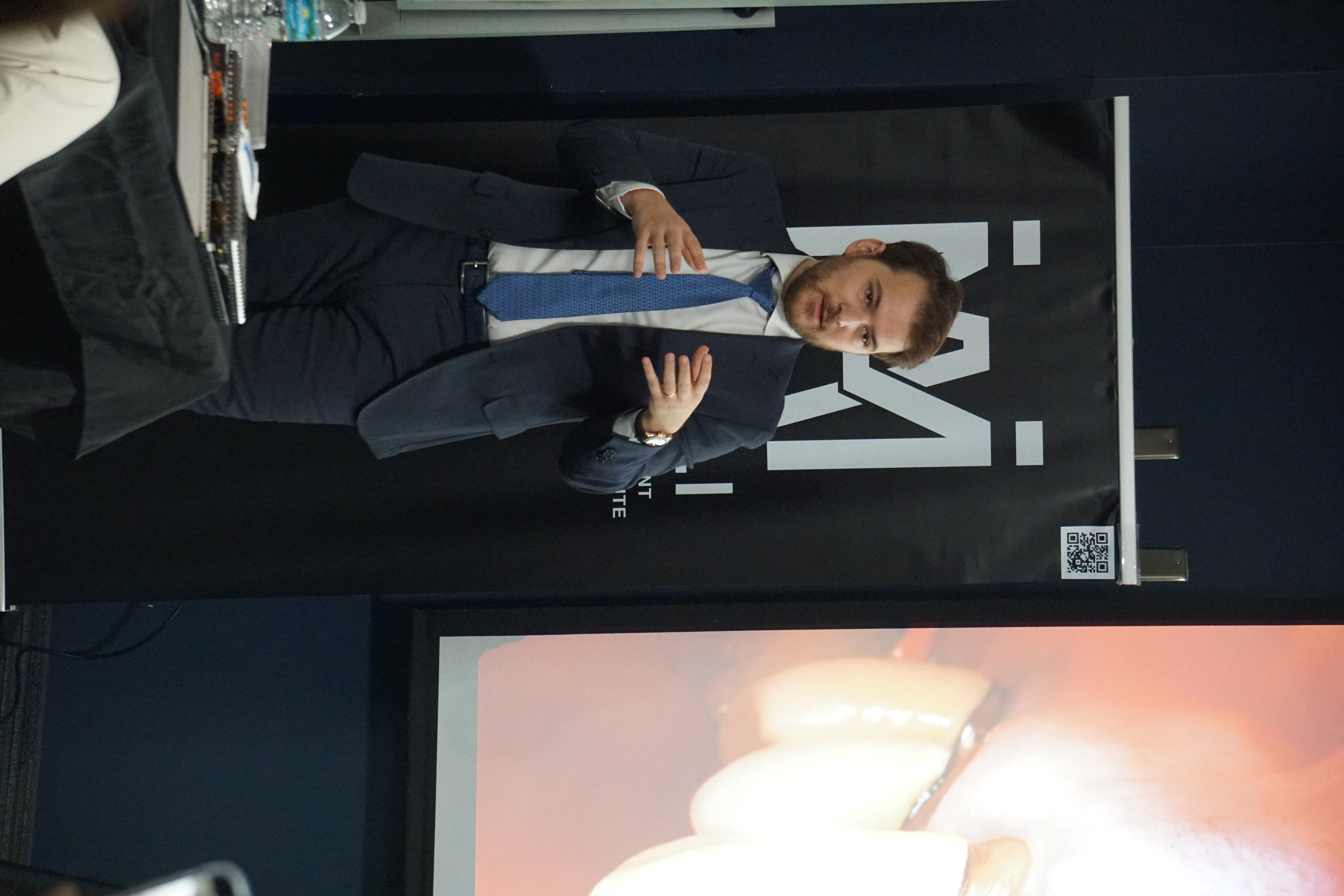
Four hands-on sessions
Across four supervised hands-on sessions, you will practice autogenous tissue harvesting, free gingival and strip grafting, phenotype augmentation and soft tissue management around immediate implants.
Autogenous tissue harvesting on realistic models
Free gingival and strip graft techniques
Dermal and collagen matrix augmentation
Soft tissue grafting for immediate implants
A short look at the instructors, microsurgical models and practical exercises that connect tissue assessment, grafting and long-term esthetic stability.
Ready to secure your seat?
Reserve seatYou want a structured approach to soft tissue management around dental implants.
You need greater confidence harvesting autogenous tissue and increasing keratinized mucosa.
You want to improve tissue thickness, esthetics and long-term peri-implant stability.
You need practical strategies for immediate implant sites and esthetic complications.
You are looking exclusively for soft tissue procedures around natural teeth.
You want theoretical lectures without hands-on microsurgical practice.
You do not currently diagnose, place or restore dental implants.
Five connected stages in the order you will use them — a repeatable workflow for prevention, augmentation and complication management.
Evaluate phenotype, keratinized mucosa, tissue thickness, implant position and prosthetic factors before selecting the intervention.
Choose autogenous tissue, free gingival grafts, strip grafts or substitute matrices according to the clinical objective.
Obtain the required tissue and prepare the recipient site while preserving blood supply and implant-related anatomy.
Increase keratinized mucosa or tissue thickness and condition the peri-implant architecture around healed or immediate sites.
Combine surgical and prosthetic strategies to improve esthetic deficiencies and support long-term peri-implant health.
Study resources, workshop tools, supervised practice and meals are included so you can focus on building a repeatable peri-implant tissue workflow.
“It’s not just lectures—it’s hands-on, real cases with real guidance that I’m already using in my own practice.”
Dr. Nasgoll Viola
KADI Institute
“Completing the courses gave me a whole new level of confidence to offer my patients the best treatment.”
Dr. Sandrine Riboul
KADI Institute
“Thanks to this course, I feel more confident making decisions and presenting the right treatment options to my patients.”
Dr. Ernesto Leon Caba
KADI Institute
Not generic speakers — recognized clinicians with real academic and surgical credibility, sharing the exact protocol they use.
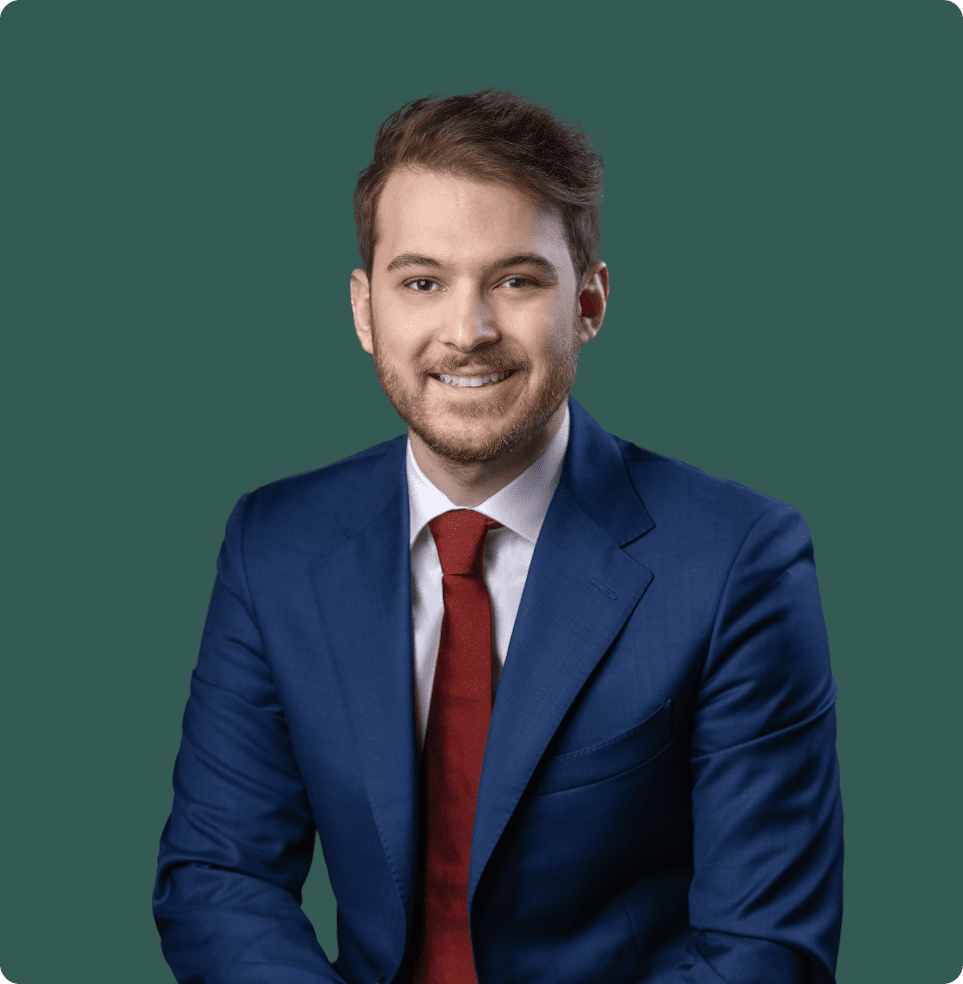
Introducing Dr. Lorenzo Tavelli, DDS, MS, PhD, a distinguished former Assistant Professor and the Director of the Advanced Graduate Education program in Periodontology at the prestigious Harvard School of Dental Medicine.
Yes. It is designed for clinicians who want to master soft tissue management around implants to improve long-term stability and esthetic outcomes.
Yes. You will perform free gingival grafting, connective tissue harvesting and augmentation with dermal and collagen matrices on realistic simulation models.
No. The course is structured for different skill levels and includes step-by-step guidance to help you build confidence and precision.
Yes. You will practice grafting and conditioning techniques for immediate implant placement and esthetic-zone management.
Yes. After completing the course, you can earn up to 20 CE credits recognized through AGD PACE.
Reserve your seat and develop a clear workflow for tissue harvesting, keratinized mucosa augmentation, phenotype modification and esthetic complication management.
Course investment
Two days. Four hands-on sessions. One repeatable peri-implant tissue workflow.