
Perform socket preservation confidently
Run the same repeatable, predictable protocol after every single extraction.
Turn routine extractions into predictable, implant-ready sites.
Less than the revenue of one implant case.
Intensive Day
Hands-on sessions
CE CREDITS
MATERIALS INCLUDED
This course answers one practical question: what do you do in the minutes after extraction to preserve the ridge, reduce later complexity and keep implant planning predictable?
Most clinicians lose volume not because they can't graft, but because there's no protocol deciding when and how. This day gives you that decision tree.
What you hear in the clinic
"I extract teeth, but I'm not always sure when — or how — to graft."
What the day teaches
A repeatable protocol for the decision and the execution, rehearsed by hand.
What changes Monday
Cleaner workflows, less guesswork, and ridges that stay implant-ready.
Six concrete, high-impact capabilities you will carry straight into your own clinical extraction cases.
Run the same repeatable, predictable protocol after every single extraction.
Know precisely what to reach for, alongside the biological reasoning behind it.
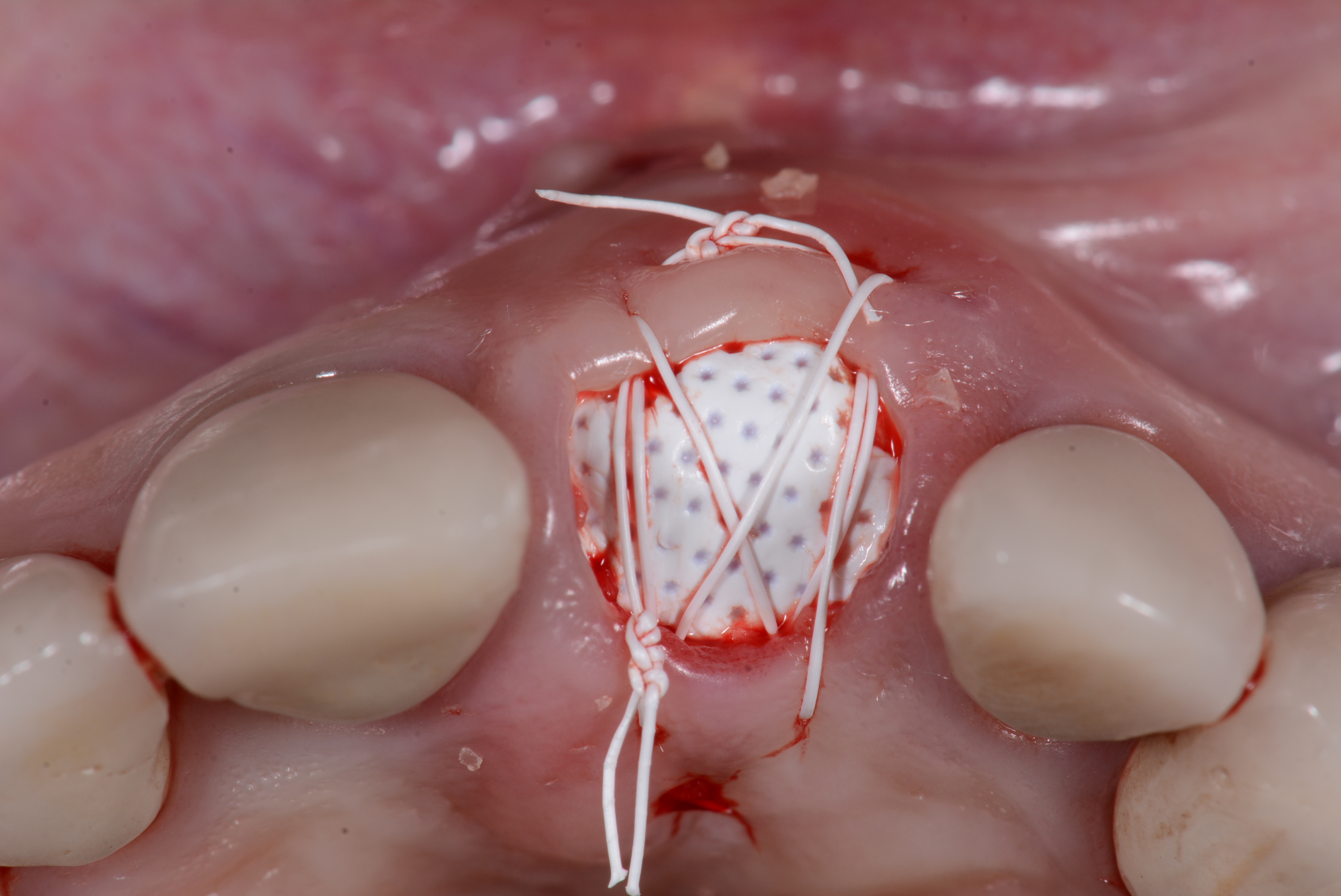
Position and secure membranes for optimal structural stability and clean, faster healing.
Drill down the specific closure techniques that safely protect and preserve the graft site.
Quickly recognize and confidently manage more structurally demanding compromised sockets.
Leave the session with structured clinical workflows you can implement safely by the very next week, ensuring an immediate return on your training investment.
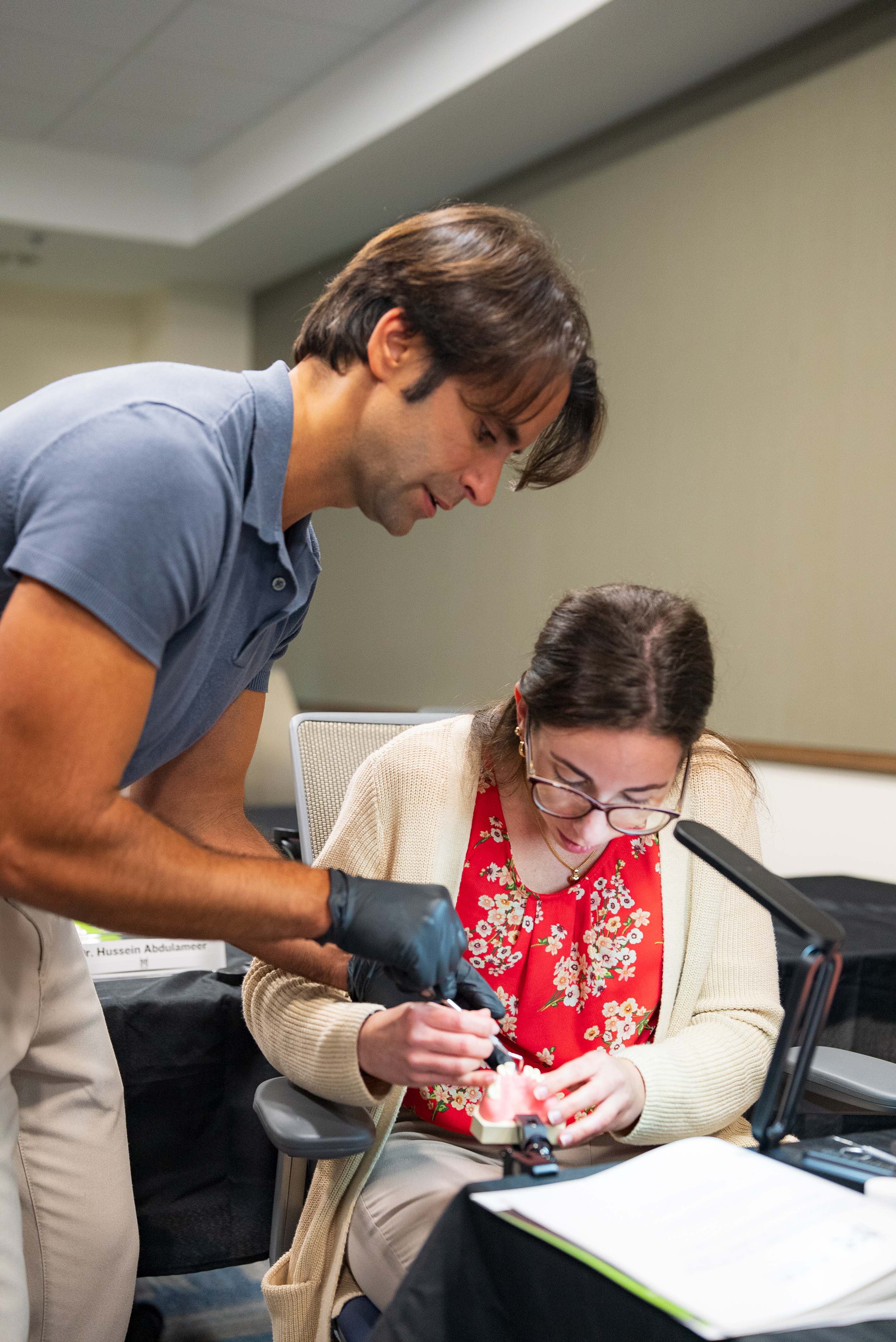
Real benchwork
Surgical skill is built through repetition. Every concept is practiced on models the same day you learn it, so the protocol leaves with you — not just your notes.
Practical socket preservation techniques
Biomaterials and membrane handling
Essential suturing for predictable healing
A short look at the room, the instructors and the hands-on practice — so you know exactly what you'll apply in your own clinic afterwards.
Ready to secure your seat?
Reserve seatYou perform extractions and want a clearer grafting protocol.
You are starting or expanding implant dentistry.
You want practical training, not just lectures.
You want to reduce uncertainty after extraction.
You want to reduce uncertainty after extraction.
You want only theoretical content.
You are not currently doing extractions in practice.
Five steps in the order you'll run them — a workflow you can repeat on Monday.
Decide when grafting is needed and set the clinical sequence before you start.
Protect the ridge and the surrounding tissue from the very first step.
Place, adapt and stabilize the graft material with a predictable protocol.
Position the membrane to support healing and improve predictability
Close with confidence and protect the graft through the healing phase.
No hidden costs. Walk in with your hands, walk out with a protocol — biomaterials, sutures and resources are part of the seat.
“The course strengthened my knowledge, my confidence, and ultimately the way I care for my patients.”
Dr. Elianne Vasquez
KADI Institute
“It’s not just lectures—it’s hands-on, real cases with real guidance that I’m already using in my own practice.”
Dr. Nasgoll Viola
KADI Institute
“Thanks to this course, I feel more confident making decisions and presenting the right treatment options to my patients.”
Dr. Ernesto Leon Caba
KADI Institute
Participate in the course in real time, follow the lectures and demonstrations, interact directly with the faculty, and complete the hands-on exercises from home using training materials delivered to you in advance.
Join the same course while it is taking place at KADI, not a recording or traditional webinar.
Ask questions and participate in clinical discussions with the faculty during the course.
Follow the faculty instructions live and complete selected practical exercises from your home, office or clinic.
Live@Home is available only to participants located in the United States and is offered for selected KADI courses. Registration and a valid U.S. shipping address must be received by the applicable deadline to allow delivery of course materials. Additional shipping restrictions may apply.
Same course. Remote access.
Hands-on materials
Required hands-on materials may be provided before the course when applicable.
Live@Home is offered only for selected KADI courses.
Not generic speakers — recognized clinicians with real academic and surgical credibility, sharing the exact protocol they use.
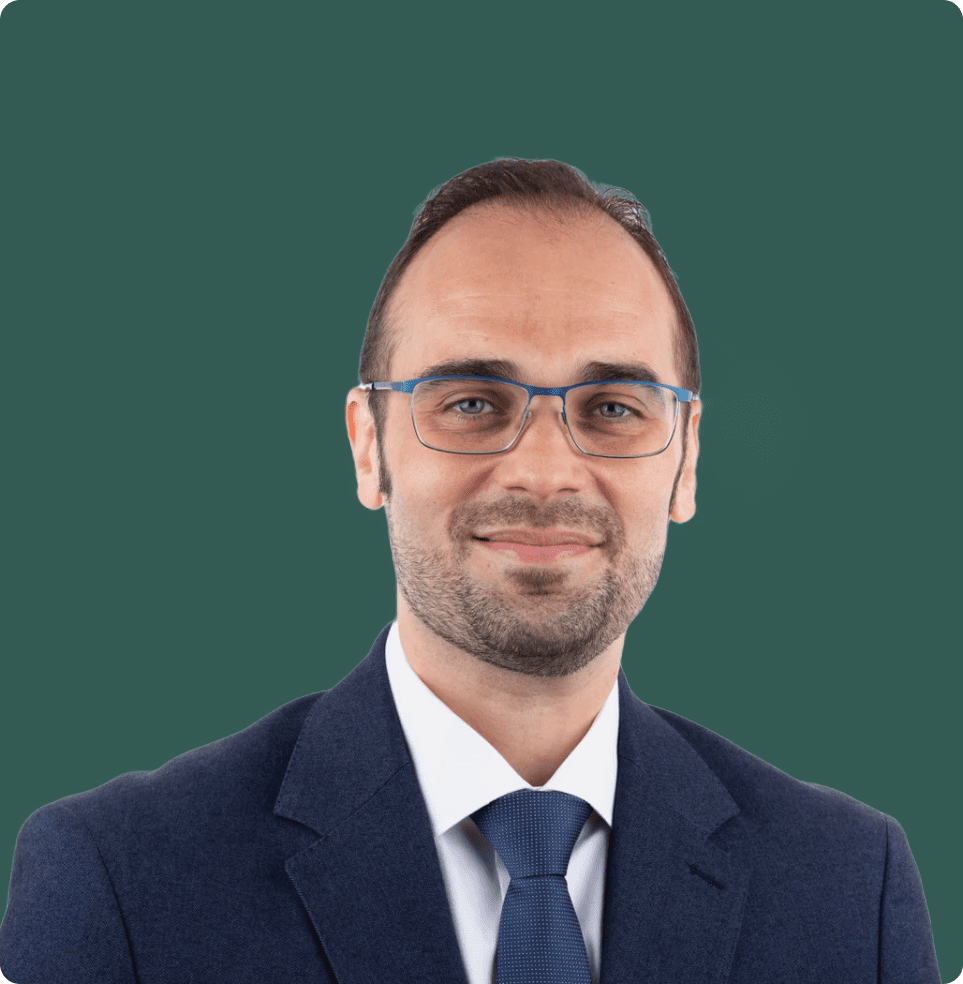
Dr. Gustavo Avila-Ortiz is a board-certified periodontist and internationally recognized leader in periodontics and implant dentistry, distinguished for his contributions to education, research, and clinical innovation.
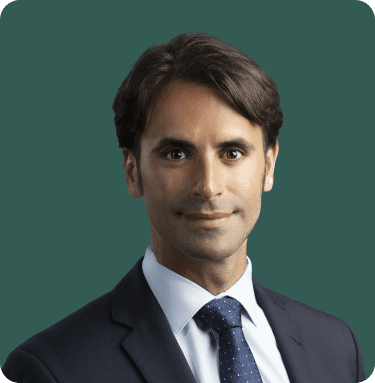
Dr. Ismael Khouly is a distinguished leader in the field of implant dentistry and the founder and clinical director of the Multidisciplinary Implant and Aesthetic Miami Institute now known as KADI Institute (Khouly Advanced Dental Institute). With a passion for education and a vision to bring accessible and high-quality learning to dentists worldwide, Dr. Khouly established this institute as a platform to share his extensive knowledge and experience gained throughout his illustrious career.
No. The course is built for clinicians who want a structured, practical socket preservation protocol — starting from extraction.
Yes. Roughly 70% of the day is practical, with repetition across two supervised benchwork sessions.
Yes. Biomaterials, sutures and study resources are all part of the seat — no surprise add-ons.
You will leave with a clear, repeatable workflow for evaluating extraction sites, performing atraumatic extractions, selecting appropriate biomaterials and membranes, placing grafts, and applying suturing techniques in socket preservation cases.
Hands-on training requires a small group and close guidance, so seats are limited and cohorts fill quickly.
Reserve your seat and bring a clear grafting protocol back to your practice the same week.
Standard tuition
$1,250
Preferred tuition
Preferred tuition confirmed through January 16, 2027
Less than the revenue of one implant case.