

Plan implant restorations comprehensively
Integrate patient evaluation, restorative space, implant configuration, aesthetics, occlusion and prosthesis design before treatment begins.
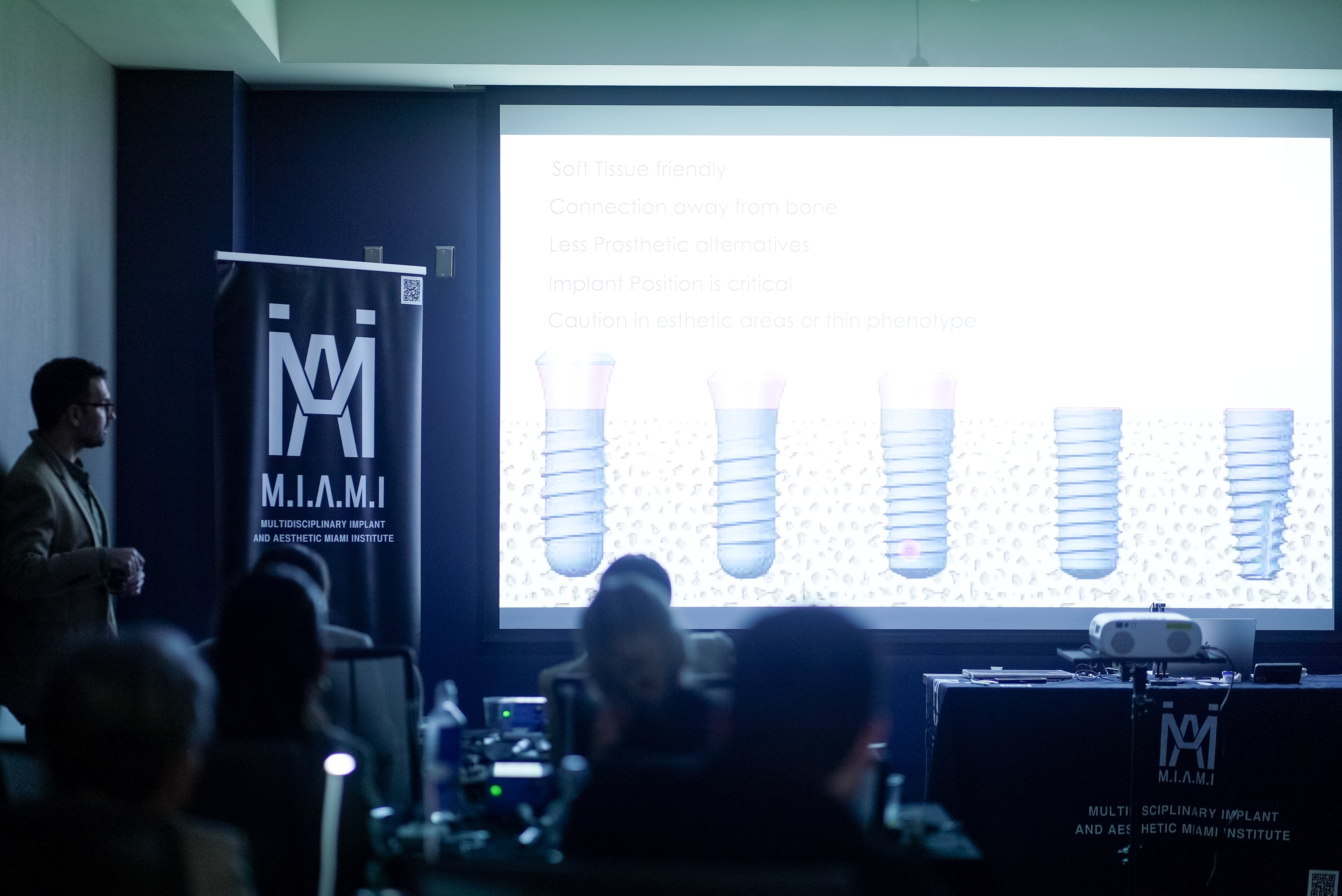
Restore implants with a predictable workflow from tissue shaping and provisionalization to digital impressions and final delivery.
Two days. Four hands-on sessions. One complete restorative workflow.
INTENSIVE DAYS
HANDS-ON SESSIONS
CE CREDITS
PRACTICAL
This course addresses the restorative decisions that determine whether implant treatment becomes efficient and predictable: provisional design, tissue conditioning, impression accuracy, abutment selection, material choice, occlusion and laboratory communication.
Many restorative complications begin when the surgical, provisional and definitive phases are treated as separate procedures. These two days connect them into one coordinated workflow.
What you hear in the clinic
"I can restore implants, but provisionals, tissue shaping and final delivery do not always follow one consistent protocol."
What the course teaches
A repeatable sequence for provisionalization, soft-tissue development, digital capture, abutment selection and definitive restoration.
What changes Monday
Fewer adjustments, clearer laboratory communication and implant restorations planned around the final aesthetic and functional result.
Six practical capabilities that connect provisionalization, tissue management, digital impressions and definitive prosthetic delivery.
Integrate patient evaluation, restorative space, implant configuration, aesthetics, occlusion and prosthesis design before treatment begins.
Create provisional restorations that support function, guide tissue development and prepare the site for the final prosthesis.
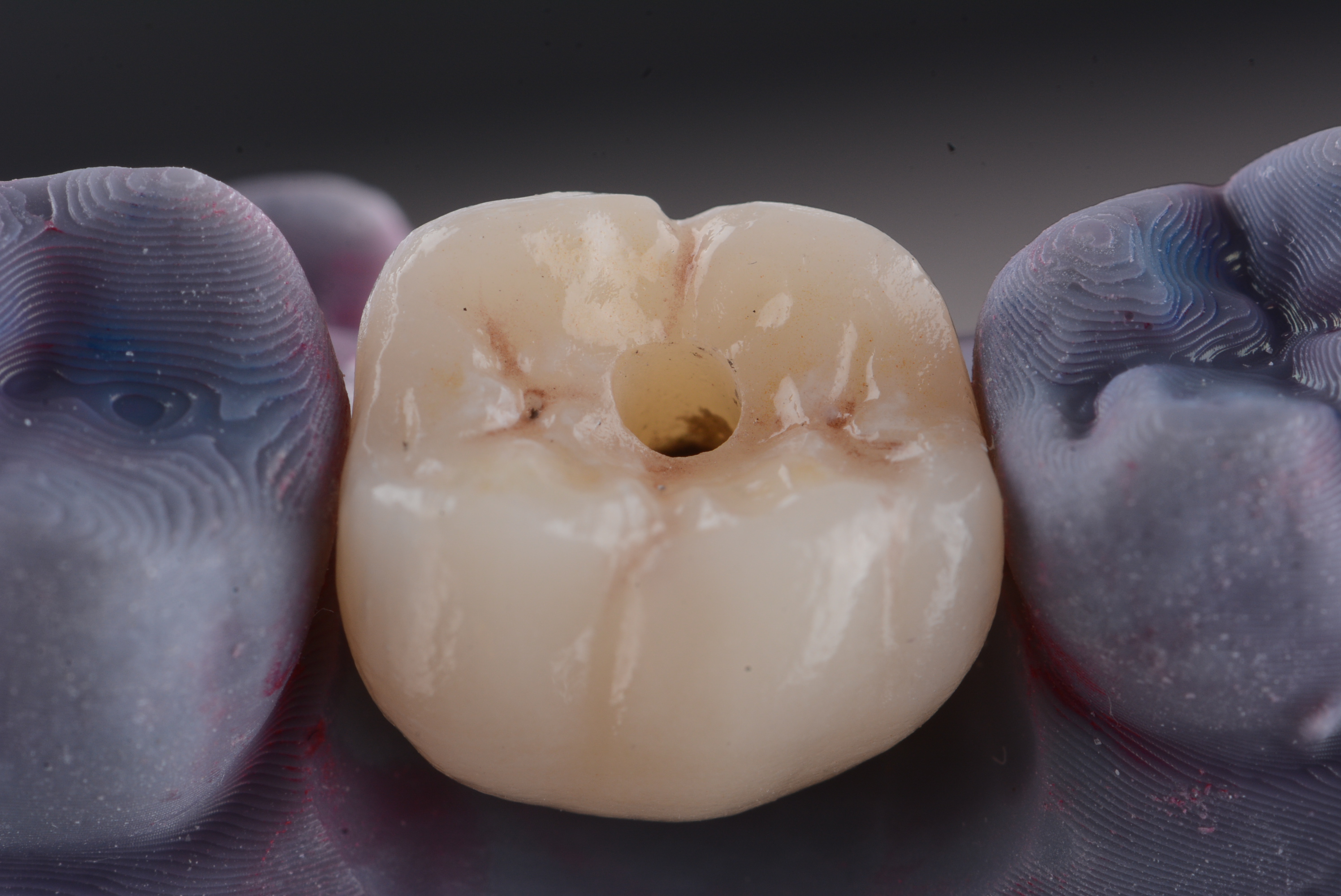
Shape and preserve the peri-implant soft-tissue profile in immediate and healed sites using customized components.
Use intraoral scanners, scan bodies and tissue-management techniques to improve accuracy and reduce restorative adjustments.
Choose components, retention strategies and materials according to the clinical, biological and aesthetic demands of each case.
Apply structured delivery, occlusal and laboratory communication protocols for more accurate and efficient implant-supported prostheses.
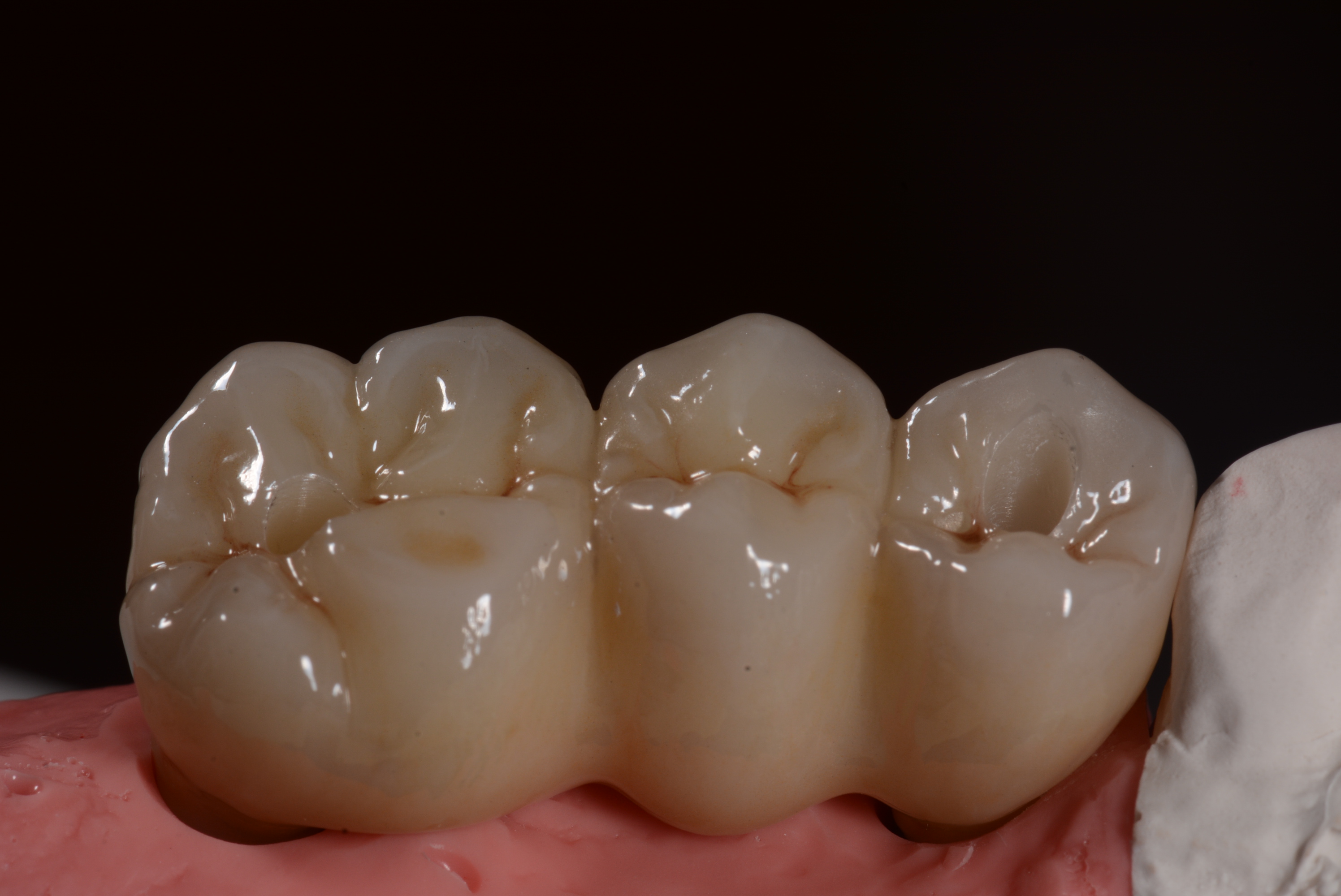
Four hands-on sessions
Across four supervised hands-on sessions, you will fabricate provisionals, customize healing abutments, capture digital impressions and work through the restorative decisions that lead to final delivery.
Provisional implant crown fabrication
Customized healing abutments on realistic models
Digital impressions with soft-tissue management
Abutment, material and prosthesis design decisions
A short look at the instructors, the laboratory and digital stages, and the practical exercises that connect implant surgery to the definitive restoration.
Ready to secure your seat?
Reserve seatYou want a structured workflow for provisional and definitive implant restorations.
You restore single or multiple implants and want fewer adjustments and patient visits.
You want to integrate digital impressions, scan bodies and soft-tissue management.
You need greater confidence selecting abutments, materials and retention strategies.
You are looking for a course focused exclusively on implant surgery.
You want theoretical lectures without hands-on restorative exercises.
You do not currently diagnose, plan or restore implant-supported cases.
Five connected stages in the order you will use them — a workflow designed to reduce uncertainty, adjustments and communication gaps.
Evaluate the patient, prosthetic space, implant position, aesthetics and functional requirements before selecting the restorative approach.
Fabricate provisional crowns and customized healing abutments that guide peri-implant soft-tissue development.
Capture implant position and tissue architecture accurately using intraoral scanners, scan bodies and structured protocols.
Select components, materials, retention and occlusal concepts according to the biological and restorative demands of the case.
Transfer precise information to the laboratory and apply controlled delivery protocols for fixed implant-supported restorations.
Study resources, workshop tools, supervised practice and meals are included so you can concentrate on building a complete implant prosthetics workflow.
“Completing the courses gave me a whole new level of confidence to offer my patients the best treatment.”
Dr. Sandrine Riboul
KADI Institute
“The course strengthened my knowledge, my confidence, and ultimately the way I care for my patients.”
Dr. Elianne Vasquez
KADI Institute
“Thanks to this course, I feel more confident making decisions and presenting the right treatment options to my patients.”
Dr. Ernesto Leon Caba
KADI Institute
Not generic speakers — recognized clinicians with real academic and surgical credibility, sharing the exact protocol they use.
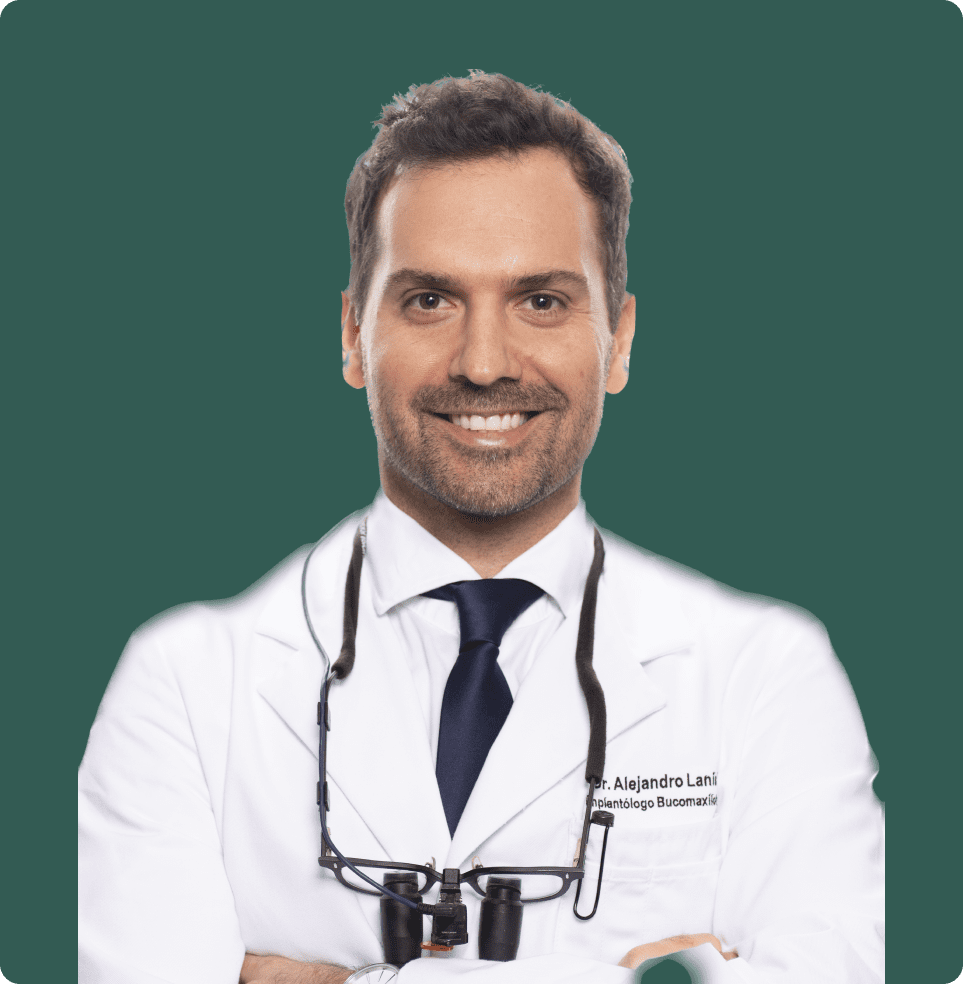
Dr. Lanis is an accomplished oral and maxillofacial implantologist with extensive experience in advanced prosthodontics, oral implantology, and digital dentistry. He currently serves as the Program Director of Advanced Implant Dentistry and Assistant Professor in Restorative Dentistry and Biomaterials Sciences at Harvard School of Dental Medicine, where he provides exceptional mentorship to graduate students in these fields.
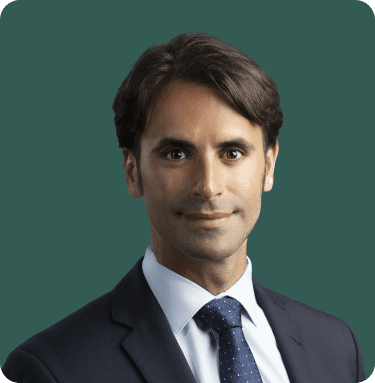
Dr. Ismael Khouly is a distinguished leader in the field of implant dentistry and the founder and clinical director of the Multidisciplinary Implant and Aesthetic Miami Institute now known as KADI Institute (Khouly Advanced Dental Institute). With a passion for education and a vision to bring accessible and high-quality learning to dentists worldwide, Dr. Khouly established this institute as a platform to share his extensive knowledge and experience gained throughout his illustrious career.
Yes. It is designed for dentists who want to restore implants confidently and manage provisional and definitive restorations through a structured clinical workflow.
Yes. You will perform the key steps hands-on, including customized healing abutments, provisional crown fabrication and digital impressions on realistic models.
Not necessarily. The course combines foundational principles with practical techniques that can be adapted to different levels of implant restorative experience.
Yes. You will practice digital impressions and learn how intraoral scanners, scan bodies and tissue management fit into the restorative sequence.
Yes. After completing the course, you can earn up to 20 CE credits recognized through AGD PACE.
Reserve your seat and build a complete workflow for provisionals, digital impressions, abutment selection and final restoration.
Course investment
Two days. Four hands-on sessions. One repeatable restorative workflow.