

Evaluate recession defects and phenotype
Assess recession morphology, tissue dimensions, anatomical limitations and aesthetic demands before selecting the surgical approach.
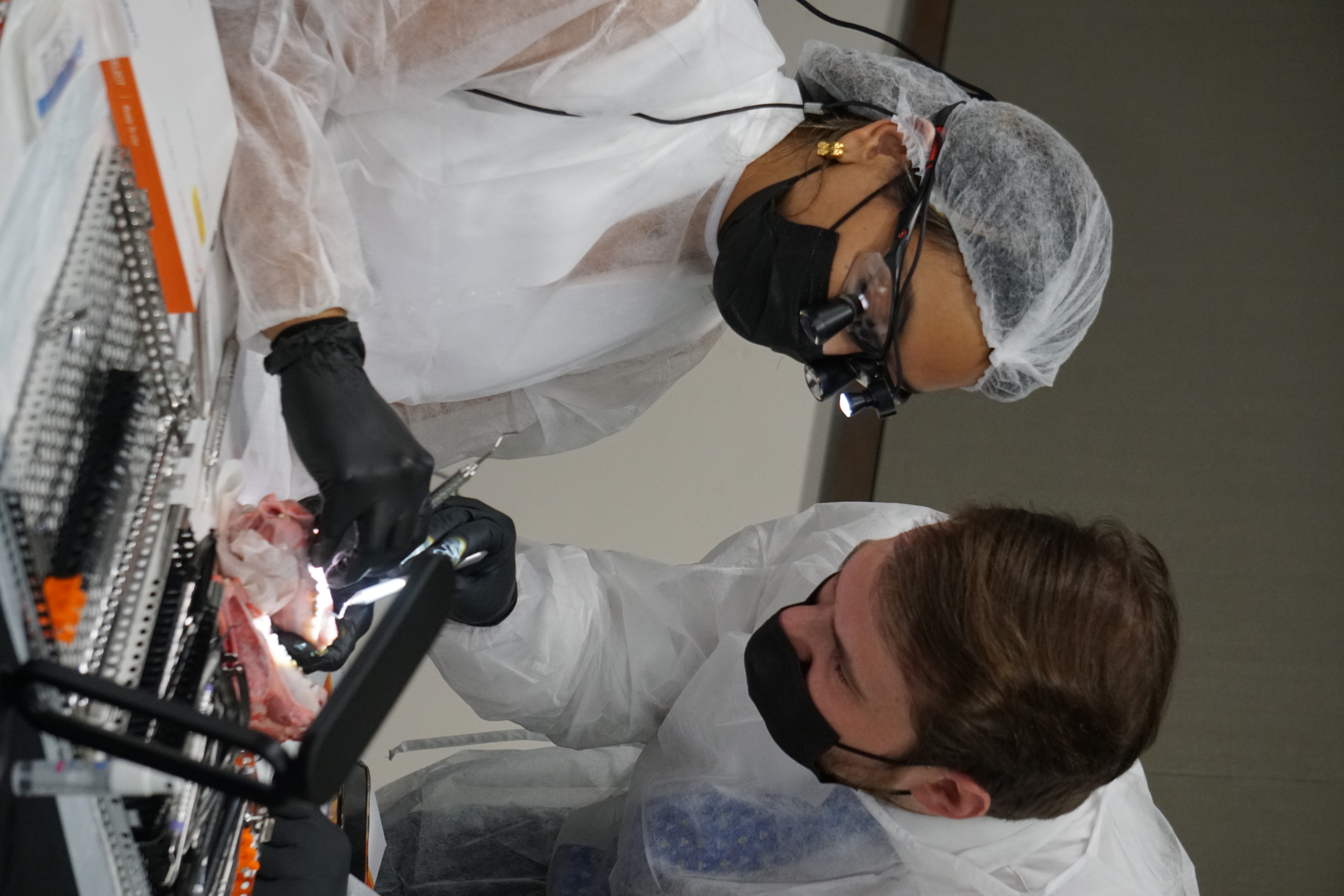
Treat gingival recession with a clear workflow for diagnosis, graft harvesting, flap advancement, tunneling and phenotype enhancement.
Two days. Four hands-on sessions. Predictable recession coverage.
INTENSIVE DAYS
HANDS-ON SESSIONS
CE CREDITS
PRACTICAL
This course addresses the decisions that determine whether soft tissue grafting around natural teeth produces stable and aesthetic results: recession classification, phenotype, donor-site selection, flap design, graft positioning and tension-free closure.
Unpredictable outcomes often come from using the same grafting approach for every recession defect. These two days provide a structured way to diagnose the site, select the technique and execute each step with greater control.
What you hear in the clinic
"I understand recession coverage, but I am not always sure whether to use tunneling or a different grafting approach."
What the course teaches
A repeatable workflow for defect assessment, autogenous tissue harvesting, flap advancement, tunneling and phenotype augmentation.
What changes Monday
Clearer case selection, more controlled tissue handling and recession coverage planned around the individual defect.
Six practical capabilities that connect diagnosis, graft harvesting, flap advancement, tunneling and phenotype modification.
Assess recession morphology, tissue dimensions, anatomical limitations and aesthetic demands before selecting the surgical approach.
Obtain connective tissue and free gingival grafts from the palate or tuberosity with greater precision and donor-site control.
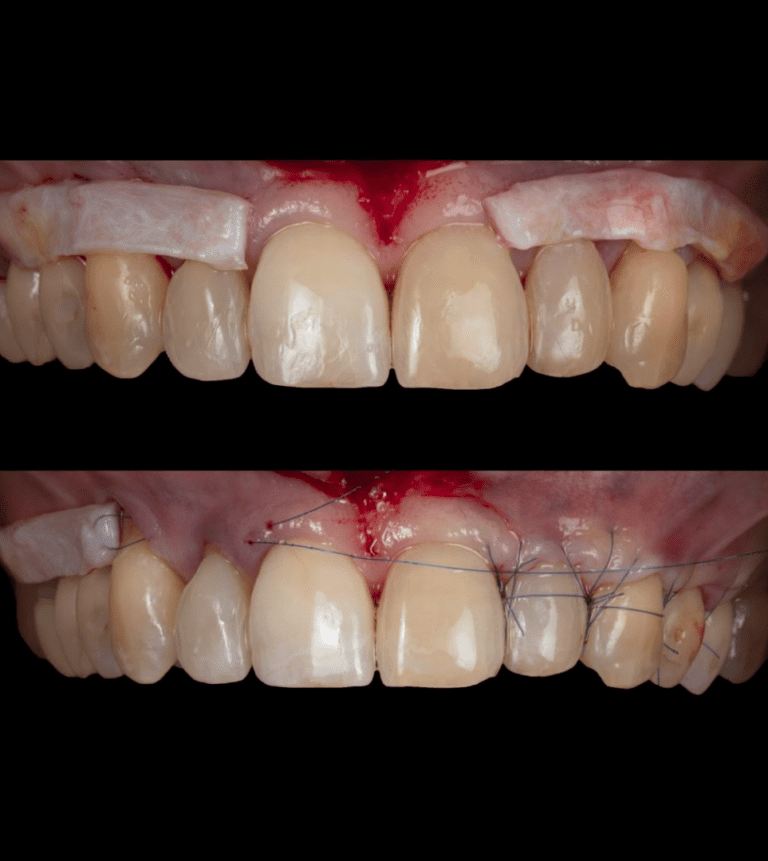
Use coronally advanced flaps for single and multiple recession defects while managing tension, papillae and graft stability.
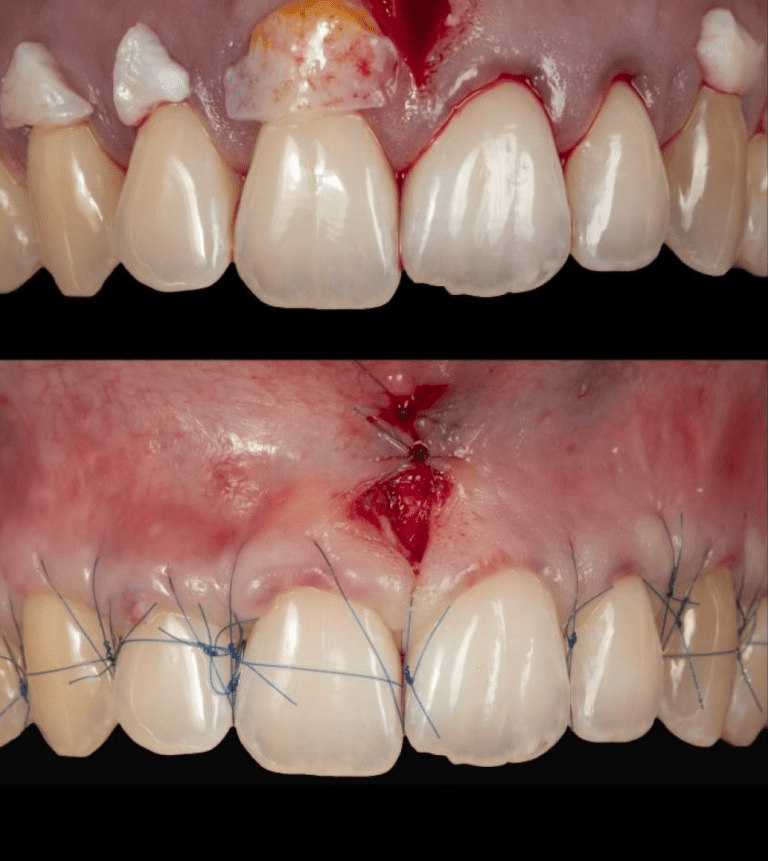
Create minimally invasive tunnels and tunneled coronally advanced flaps for multiple-tooth recession coverage.
Increase tissue volume and quality using autogenous grafts or soft tissue substitutes according to the clinical indication.
Connect diagnosis, donor-site management, flap design, graft positioning and microsurgical closure in one structured protocol.
Four hands-on sessions
Across four supervised hands-on sessions, you will practice tissue harvesting, tunneling and phenotype augmentation on realistic microsurgical models.
Connective tissue and free gingival graft harvesting
Coronally advanced flap techniques
Tunneling around natural teeth
Soft tissue phenotype augmentation
A short look at the instructors, microsurgical models and practical exercises that connect diagnosis, tissue harvesting and minimally invasive recession treatment.
Ready to secure your seat?
Reserve seatYou want a structured approach to recession coverage and soft tissue grafting around natural teeth.
You need greater confidence choosing between tunneling and grafting techniques.
You want supervised practice in palatal harvesting, flap advancement and microsurgical closure.
You treat gingival recession and want more stable functional and aesthetic outcomes.
You are looking for a course focused exclusively on soft tissue management around implants.
You want theoretical lectures without hands-on microsurgical practice.
You do not currently diagnose or treat periodontal soft tissue conditions.
Five connected stages in the order you will use them — a repeatable workflow for single and multiple recession defects.
Evaluate defect morphology, phenotype, keratinized tissue, papillary conditions and aesthetic objectives.
Choose tunneling, autogenous tissue or a substitute according to the recession pattern and clinical goal.
Harvest connective tissue or free gingival grafts from the palate or tuberosity while controlling tissue dimensions and morbidity.
Create the selected flap or tunnel, position the graft and achieve passive coronal advancement without excessive tension.
Stabilize the tissues with precise suturing and apply post-operative protocols that support vascularization and long-term coverage.
Study resources, workshop tools, supervised practice and meals are included so you can focus on building a repeatable recession coverage workflow.
“The course strengthened my knowledge, my confidence, and ultimately the way I care for my patients.”
Dr. Elianne Vasquez
KADI Institute
“Completing the courses gave me a whole new level of confidence to offer my patients the best treatment.”
Dr. Sandrine Riboul
KADI Institute
“It’s not just lectures—it’s hands-on, real cases with real guidance that I’m already using in my own practice.”
Dr. Nasgoll Viola
KADI Institute
Not generic speakers — recognized clinicians with real academic and surgical credibility, sharing the exact protocol they use.
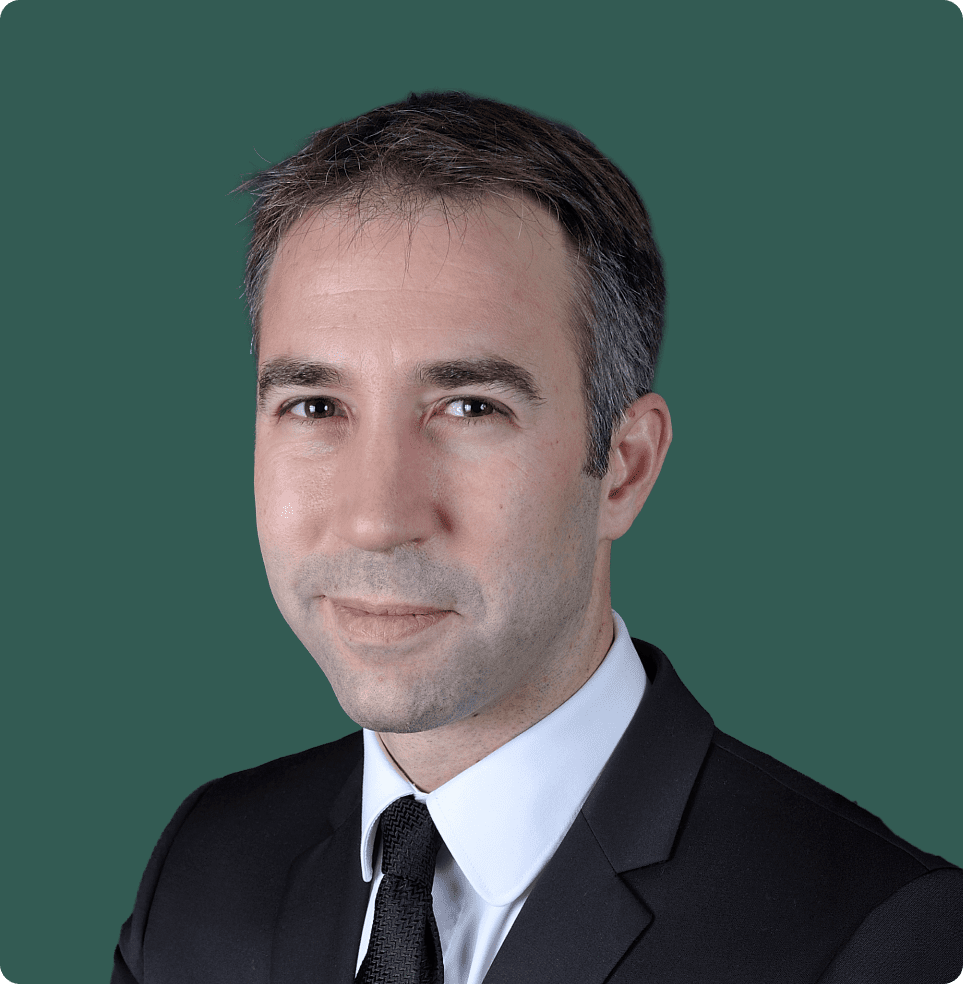
Dr. Vincent Ronco is a Paris-based periodontist and implantologist known for his expertise in advanced soft tissue management, minimally invasive periodontal plastic surgery, tunneling techniques, and innovative approaches to soft tissue reconstruction around teeth and implants.
Yes. It is designed for dentists who want to perform predictable soft tissue grafting and recession coverage procedures around natural teeth with greater confidence.
Yes. You will practice connective tissue harvesting tunneling and phenotype augmentation on microsurgical simulation models.
No. The course strengthens both foundational and advanced skills through a structured sequence and direct faculty guidance.
Yes. You will learn how phenotype influences treatment selection and how autogenous or substitute grafting materials can improve tissue volume and stability.
Yes. After completing the course, you can earn up to 20 CE credits recognized through AGD PACE.
Reserve your seat and build a clear workflow for recession diagnosis, graft harvesting, tunneling and phenotype modification.
Course investment
Two days. Four hands-on sessions. One repeatable recession workflow.