

Evaluate overdenture cases comprehensively
Assess medical, dental, anatomical and functional factors to determine whether an implant-supported removable solution is appropriate.
Deliver stable, aesthetic and functional overdentures through one coordinated surgical and restorative workflow.
Two days. Four hands-on sessions. One complete overdenture workflow.
INTENSIVE DAYS
HANDS-ON SESSIONS
CE CREDITS
PRACTICAL
This course addresses the variables that determine whether an implant-supported overdenture improves function and satisfaction: patient selection, implant number and position, restorative space, attachment design, tissue support and maintenance.
Overdenture complications often begin when the surgical and restorative phases are planned separately. These two days connect diagnosis, implant positioning, prosthetic design and long-term care in one coordinated protocol.
What you hear in the clinic
"I understand overdentures, but I am not always confident coordinating implant placement, attachment selection and prosthetic design."
What the course teaches
A repeatable workflow for diagnosis, surgical planning, prosthetic customization, delivery and maintenance.
What changes Monday
Clearer case selection, more intentional implant positioning and overdentures designed around function, stability and patient expectations.
Six practical capabilities that connect diagnosis, surgical positioning, attachment selection and prosthetic execution.
Assess medical, dental, anatomical and functional factors to determine whether an implant-supported removable solution is appropriate.
Define implant number, distribution and restorative requirements according to arch anatomy, prosthetic space and patient goals.
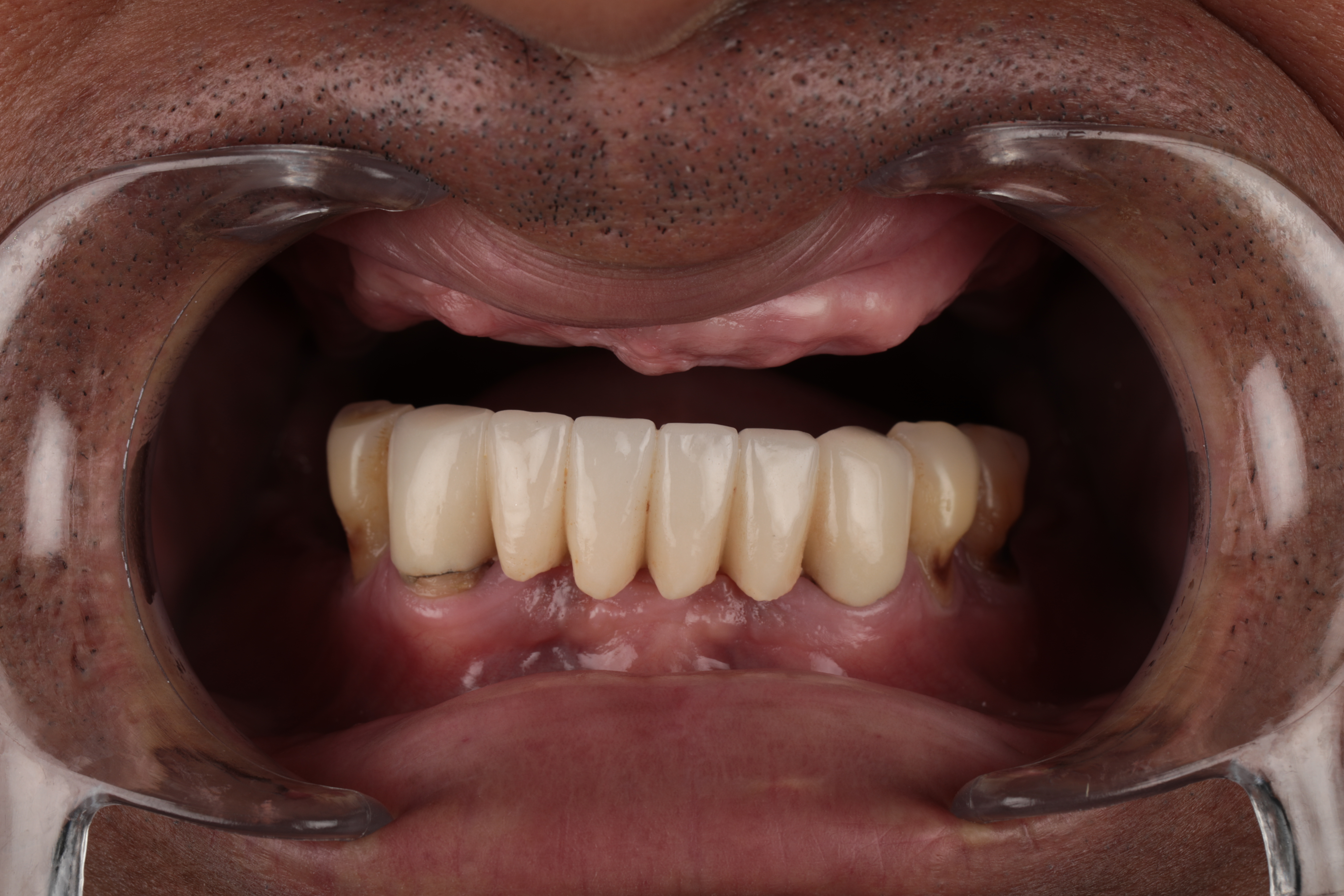
Coordinate radiographic, surgical and restorative templates so implant placement supports the intended attachment and overdenture design.
Choose attachments, components and prosthetic designs according to retention, support, hygiene and maintenance requirements.
Combine conventional clinical techniques with digital planning and fabrication tools to improve accuracy and efficiency.
Apply structured pickup, adjustment, occlusion, hygiene and follow-up protocols for long-term function and patient satisfaction.
Four hands-on sessions
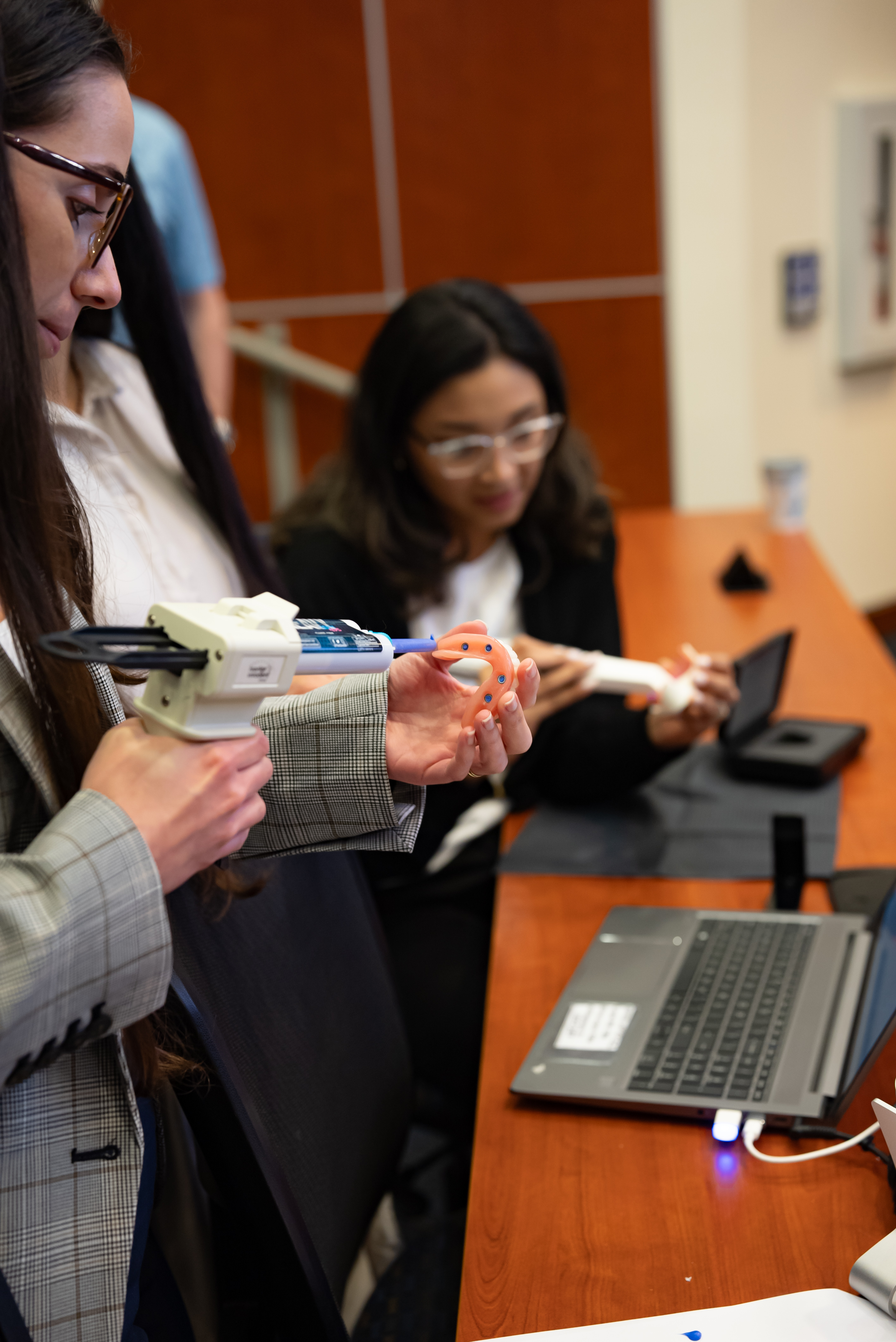
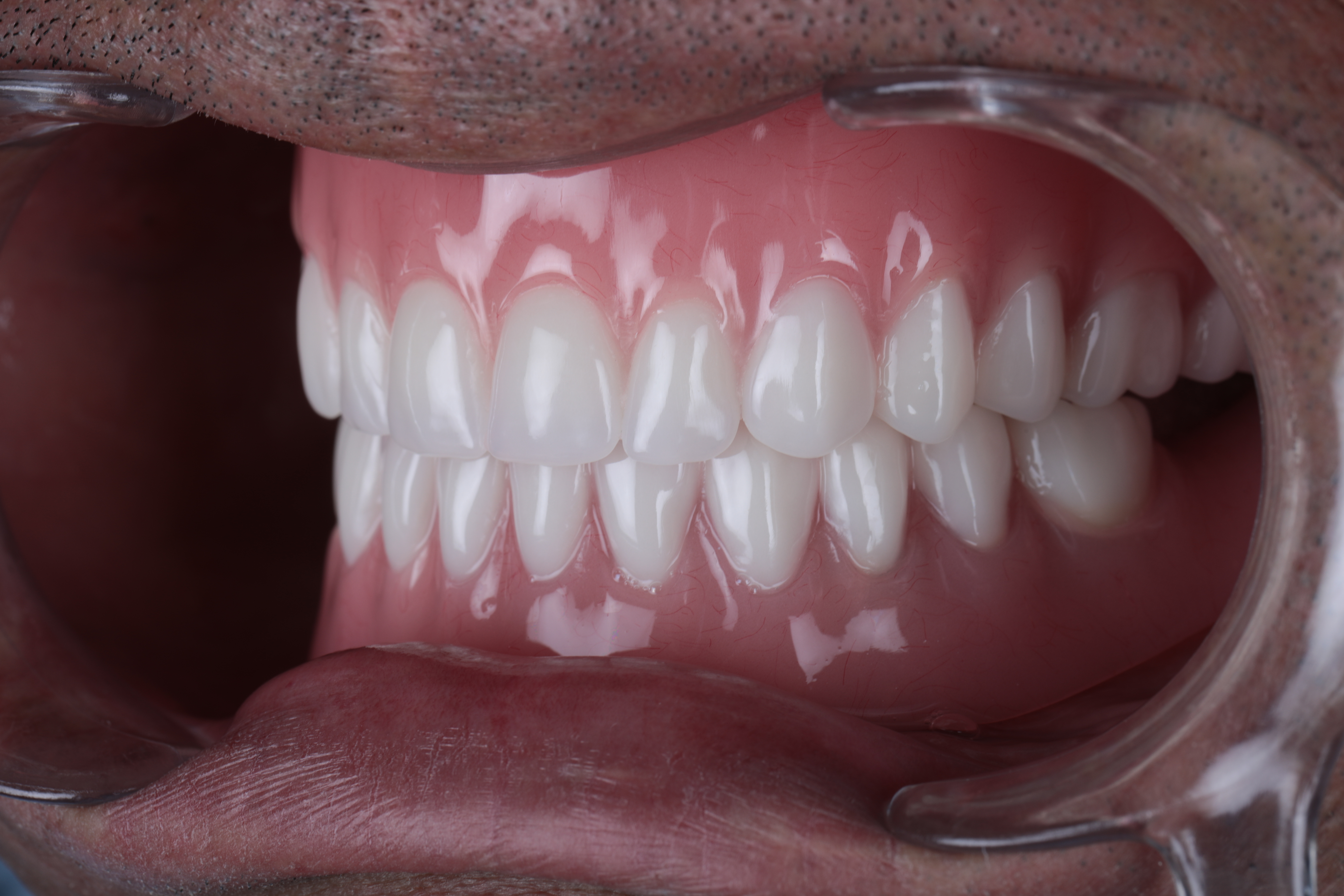
Across four supervised hands-on sessions, you will work through the surgical and prosthetic stages of implant overdenture treatment on realistic simulation models.
Full-arch diagnosis and treatment planning
Implant positioning for removable prosthetics
Attachment and overdenture design
Digital and conventional restorative workflows
A short look at the instructors, simulation models and practical exercises that connect surgical planning with overdenture design and delivery.
Ready to secure your seat?
Reserve seatYou want a complete surgical and prosthetic workflow for implant-supported overdentures.
You treat edentulous or soon-to-be-edentulous patients and want more predictable removable solutions.
You need greater confidence planning maxillary and mandibular overdenture cases.
You want to combine conventional techniques with digital planning and fabrication.
You are looking exclusively for fixed full-arch implant rehabilitation.
You want theoretical lectures without hands-on surgical and prosthetic exercises.
You do not currently diagnose, plan or restore implant-supported removable cases.
Five connected stages in the order you will use them — a coordinated workflow for maxillary and mandibular overdenture cases.
Evaluate anatomy, existing dentures, restorative space, patient expectations and risk before selecting the treatment concept.
Determine implant number and position while coordinating radiographic, surgical and restorative templates.
Execute the surgical sequence and manage the transitional prosthesis while protecting healing and function.
Select components and create a prosthetic design that balances retention, support, aesthetics, hygiene and maintenance.
Complete pickup and delivery, refine occlusion and establish maintenance protocols for long-term clinical success.
Study resources, workshop tools, supervised practice and meals are included so you can concentrate on building a complete overdenture workflow.
“Completing the courses gave me a whole new level of confidence to offer my patients the best treatment.”
Dr. Sandrine Riboul
KADI Institute
“The course strengthened my knowledge, my confidence, and ultimately the way I care for my patients.”
Dr. Elianne Vasquez
KADI Institute
“Thanks to this course, I feel more confident making decisions and presenting the right treatment options to my patients.”
Dr. Ernesto Leon Caba
KADI Institute
Not generic speakers — recognized clinicians with real academic and surgical credibility, sharing the exact protocol they use.
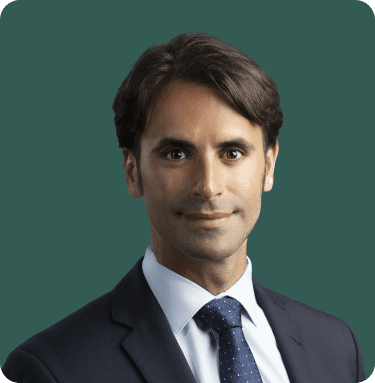
Dr. Ismael Khouly is a distinguished leader in the field of implant dentistry and the founder and clinical director of the Multidisciplinary Implant and Aesthetic Miami Institute now known as KADI Institute (Khouly Advanced Dental Institute). With a passion for education and a vision to bring accessible and high-quality learning to dentists worldwide, Dr. Khouly established this institute as a platform to share his extensive knowledge and experience gained throughout his illustrious career.
Yes. It is designed for dentists who want to perform implant-supported overdentures confidently and streamline both the surgical and prosthetic phases.
Yes. You will practice the key stages of the workflow on realistic simulation models that reproduce common clinical situations.
No. The course is structured for clinicians at different experience levels who want greater efficiency and predictability in overdenture cases.
Yes. You will learn how conventional and digital approaches can be combined to improve planning, accuracy and prosthetic outcomes.
Yes. After completing the course, you can earn up to 20 CE credits recognized through AGD PACE.
Reserve your seat and build a complete workflow for diagnosis, implant positioning, attachment selection and prosthetic delivery.
Course investment
Two days. Four hands-on sessions. One coordinated overdenture workflow.