

Evaluate alveolar bone deficiencies
Recognize the clinical and radiographic characteristics of the defect and determine when augmentation is required before or during implant treatment.
Build predictable bone volume for implant placement with protocols you can reproduce in daily practice.
Two days. Four hands-on sessions. Predictable bone augmentation protocols.
INTENSIVE DAYS
HANDS-ON SESSIONS
CE CREDITS
PRACTICAL
This course addresses the decisions that determine whether a deficient ridge or posterior maxilla can be reconstructed safely: how to evaluate the defect, select the augmentation approach, choose the biomaterial and stabilize the graft for controlled healing.
Advanced grafting becomes difficult when diagnosis, material selection and surgical execution are treated as separate decisions. These two days connect them through practical, reproducible protocols.
What you hear in the clinic
"I understand the principles of grafting, but I am not always confident choosing the technique or material for each defect."
What the course teaches
A structured workflow for ridge augmentation, sinus grafting, membrane management and biologic optimization.
What changes Monday
Clearer case selection, more consistent surgical execution and grafting decisions based on the defect rather than habit.
Six practical capabilities that connect defect assessment, technique selection, biomaterials and controlled graft healing.
Recognize the clinical and radiographic characteristics of the defect and determine when augmentation is required before or during implant treatment.
Match the augmentation strategy to the anatomy, implant plan and regenerative demands of the case.
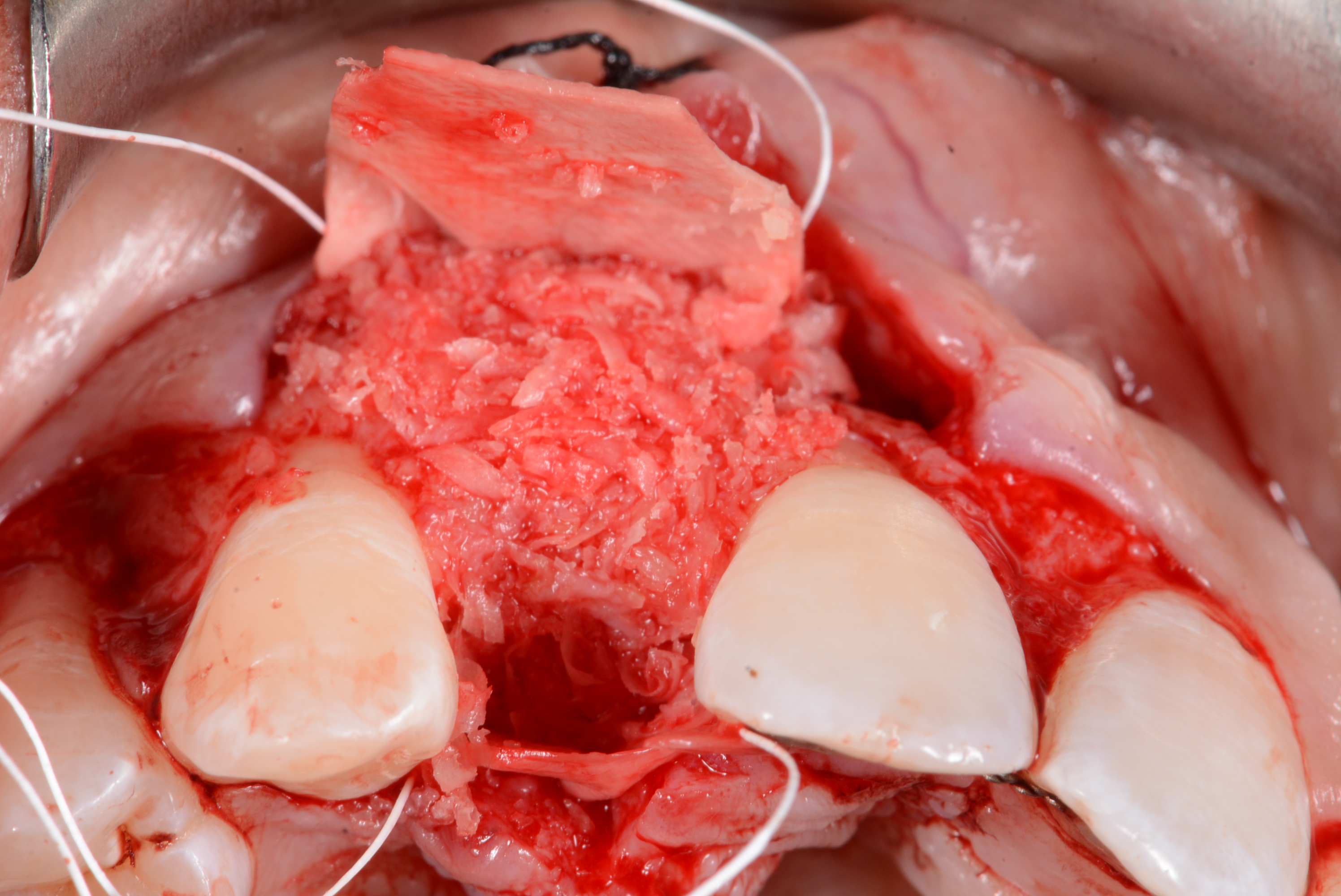
Apply reliable, repeatable techniques for rebuilding deficient implant sites on realistic surgical models.
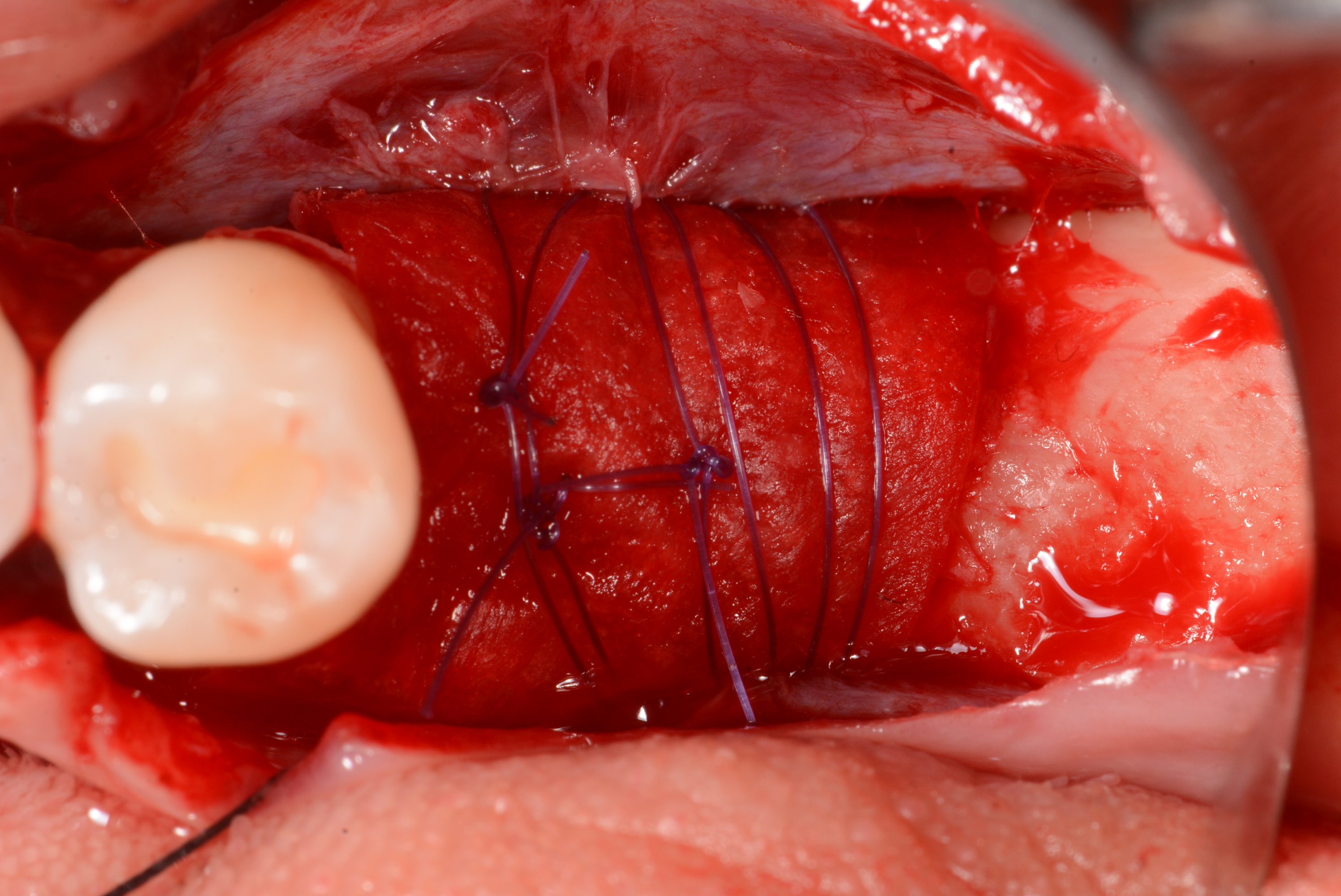
Practice the principal sinus augmentation approaches and understand how anatomy influences access, elevation and graft placement.
Select and combine graft materials, membranes and growth factors according to defect stability, healing requirements and treatment goals.
Leave with a structured sequence for planning, executing and reviewing advanced bone augmentation cases in daily clinical practice.
Four hands-on sessions
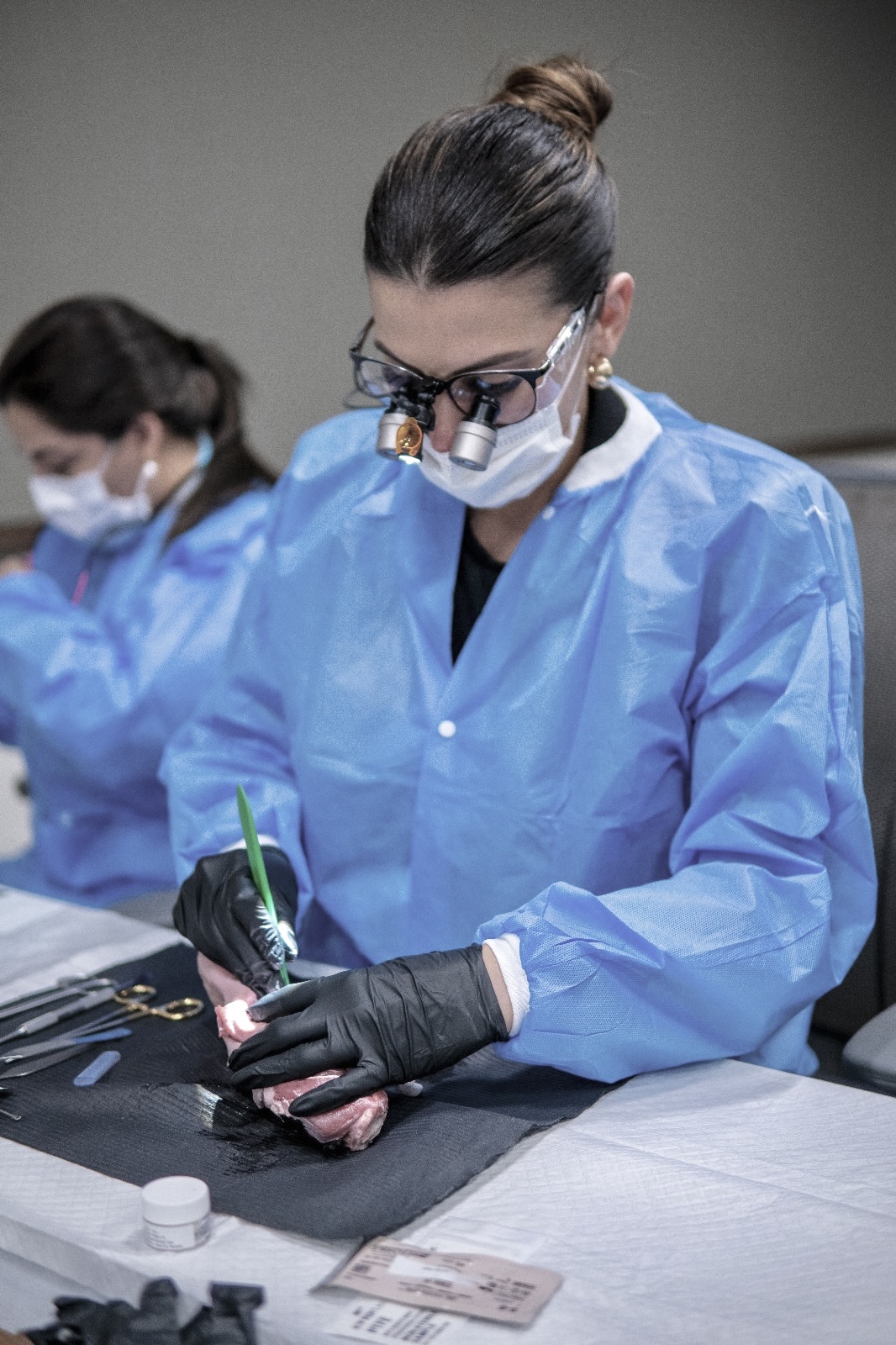
Across four supervised hands-on sessions, you will rehearse ridge grafting and sinus augmentation while working with the biomaterials, membranes and biologic concepts used in real surgical cases.
Alveolar ridge grafting on realistic models
Maxillary sinus augmentation techniques
Biomaterial and membrane selection
Growth-factor application and graft stabilization
A short look at the instructors, the surgical models and the practical exercises that turn advanced bone augmentation into a structured clinical workflow.
Ready to secure your seat?
Reserve seatYou place implants and want to treat sites with insufficient bone more predictably.
You want structured protocols for alveolar ridge grafting and sinus augmentation.
You need greater confidence selecting biomaterials, membranes and growth factors.
You want advanced surgical training that remains practical and reproducible.
You are looking for a course focused only on routine implant placement without augmentation.
You want theoretical lectures without supervised hands-on surgical practice.
You do not currently diagnose, plan or perform implant-related surgical procedures.
Five connected stages in the order you will use them — a repeatable workflow for ridge and sinus augmentation cases.
Evaluate the anatomy, bone deficiency and implant requirements before selecting the regenerative strategy.
Choose the augmentation approach, graft material, membrane and biologic adjuncts according to the clinical objective.
Prepare the recipient site, place and stabilize the graft, and create the conditions required for predictable regeneration.
Apply controlled access, membrane elevation and graft-placement principles according to the anatomy of the posterior maxilla.
Protect the graft through stable closure, post-operative management and structured evaluation of the healing process.
Study resources, workshop tools, biomaterials, supervised practice and meals are included so you can focus on building a repeatable augmentation workflow.
“Completing the courses gave me a whole new level of confidence to offer my patients the best treatment.”
Dr. Sandrine Riboul
KADI Institute
“It’s not just lectures—it’s hands-on, real cases with real guidance that I’m already using in my own practice.”
Dr. Nasgoll Viola
KADI Institute
“Thanks to this course, I feel more confident making decisions and presenting the right treatment options to my patients.”
Dr. Ernesto Leon Caba
KADI Institute
Not generic speakers — recognized clinicians with real academic and surgical credibility, sharing the exact protocol they use.
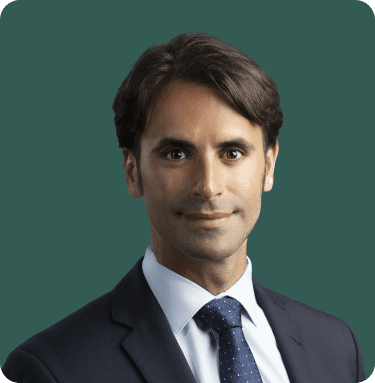
Dr. Ismael Khouly is a distinguished leader in the field of implant dentistry and the founder and clinical director of the Multidisciplinary Implant and Aesthetic Miami Institute now known as KADI Institute (Khouly Advanced Dental Institute). With a passion for education and a vision to bring accessible and high-quality learning to dentists worldwide, Dr. Khouly established this institute as a platform to share his extensive knowledge and experience gained throughout his illustrious career.
Yes. It is designed for dentists who want to perform predictable alveolar bone regeneration and maxillary sinus augmentation procedures with greater confidence.
Yes. You will perform alveolar ridge grafting and maxillary sinus augmentation techniques on realistic models under expert supervision.
No. The course follows a structured, step-by-step approach designed to make advanced techniques understandable and clinically applicable.
You will work with a range of biomaterials, membranes and growth factors similar to those used in real surgical cases.
Yes. After completing the course, you can earn up to 20 CE credits recognized through AGD PACE.
Reserve your seat and build a clear clinical workflow for alveolar ridge grafting, sinus augmentation and biomaterial selection.
Course investment
Two days. Four hands-on sessions. One repeatable augmentation workflow.