

Evaluate full-arch cases comprehensively
Collect and interpret clinical, radiographic and digital records to identify anatomical, prosthetic and patient-related risks.
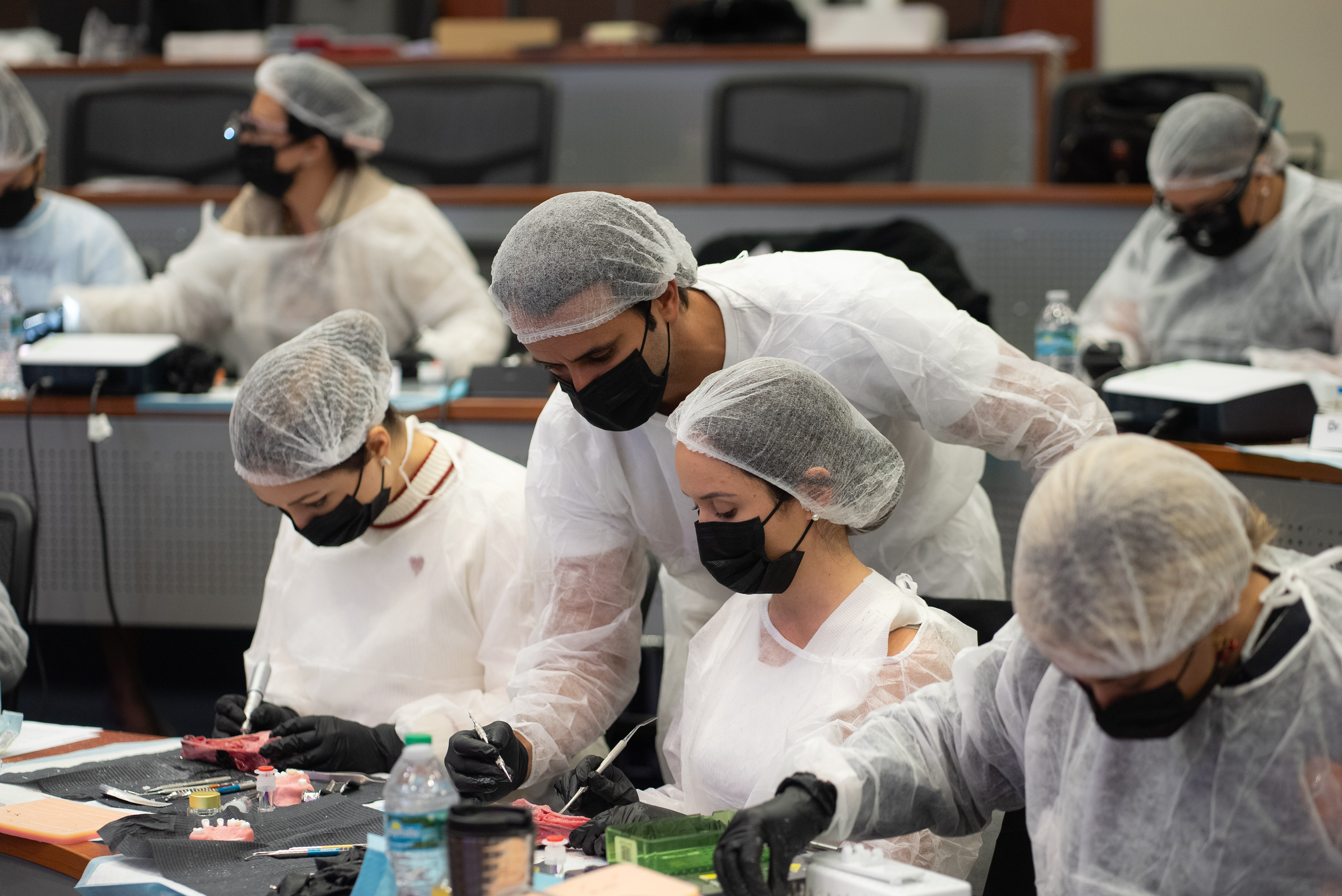
Connect digital planning, guided surgery, immediate provisionalization and final restoration in one complete full-arch workflow.
Two days. Four hands-on sessions. One complete full-arch workflow.
INTENSIVE DAYS
HANDS-ON SESSIONS
CE CREDITS
PRACTICAL
This course addresses the decisions that determine whether a full-arch rehabilitation becomes predictable: data collection, implant positioning, prosthetic space, guided surgery, immediate loading, scan accuracy and definitive prosthesis design.
Complications arise when diagnosis, surgery, provisionalization and final restoration are handled as separate procedures. These two days connect them through one coordinated digital and clinical workflow.
What you hear in the clinic
"I understand the individual steps, but I am not always confident coordinating the complete full-arch case."
What the course teaches
A repeatable workflow from diagnostic records and digital planning to guided surgery, immediate provisionalization and definitive rehabilitation.
What changes Monday
Clearer treatment sequencing, more intentional implant positioning and better communication between the surgical, restorative and laboratory phases.
Six practical capabilities that connect digital diagnosis, implant surgery, provisionalization and definitive CAD/CAM rehabilitation.
Collect and interpret clinical, radiographic and digital records to identify anatomical, prosthetic and patient-related risks.
Integrate CBCT, intraoral scans and prosthetic objectives to determine implant distribution, angulation and surgical access.
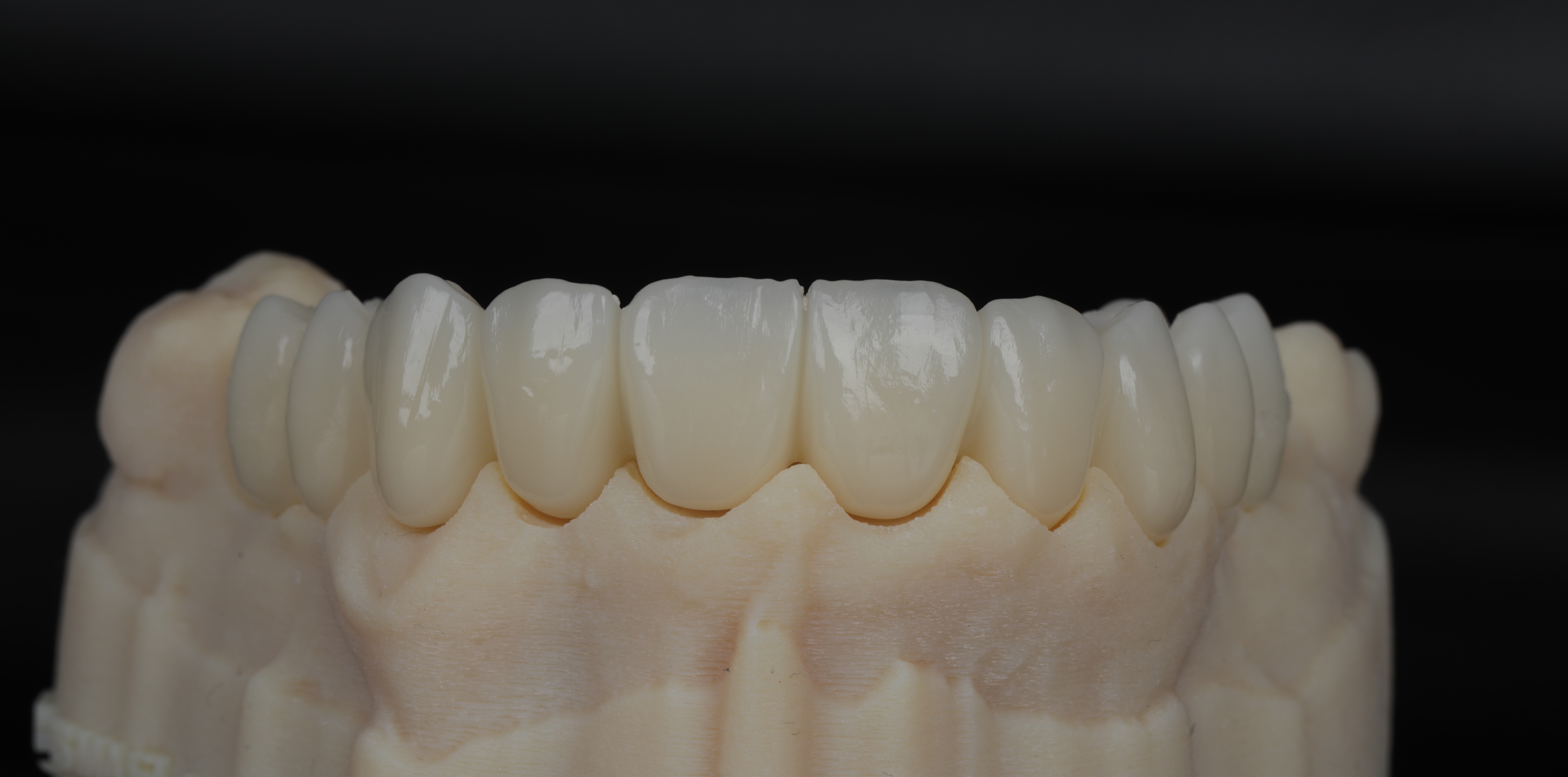
Translate the virtual plan into a guided surgical workflow that supports accurate implant placement and immediate restoration.
Apply structured provisionalization protocols that support function, aesthetics and tissue management during healing.
Use double digital scanning, reverse scan bodies and verification protocols to improve the accuracy of restorative records.
Connect scan data, laboratory protocols, material selection and prosthesis delivery in a predictable definitive workflow.
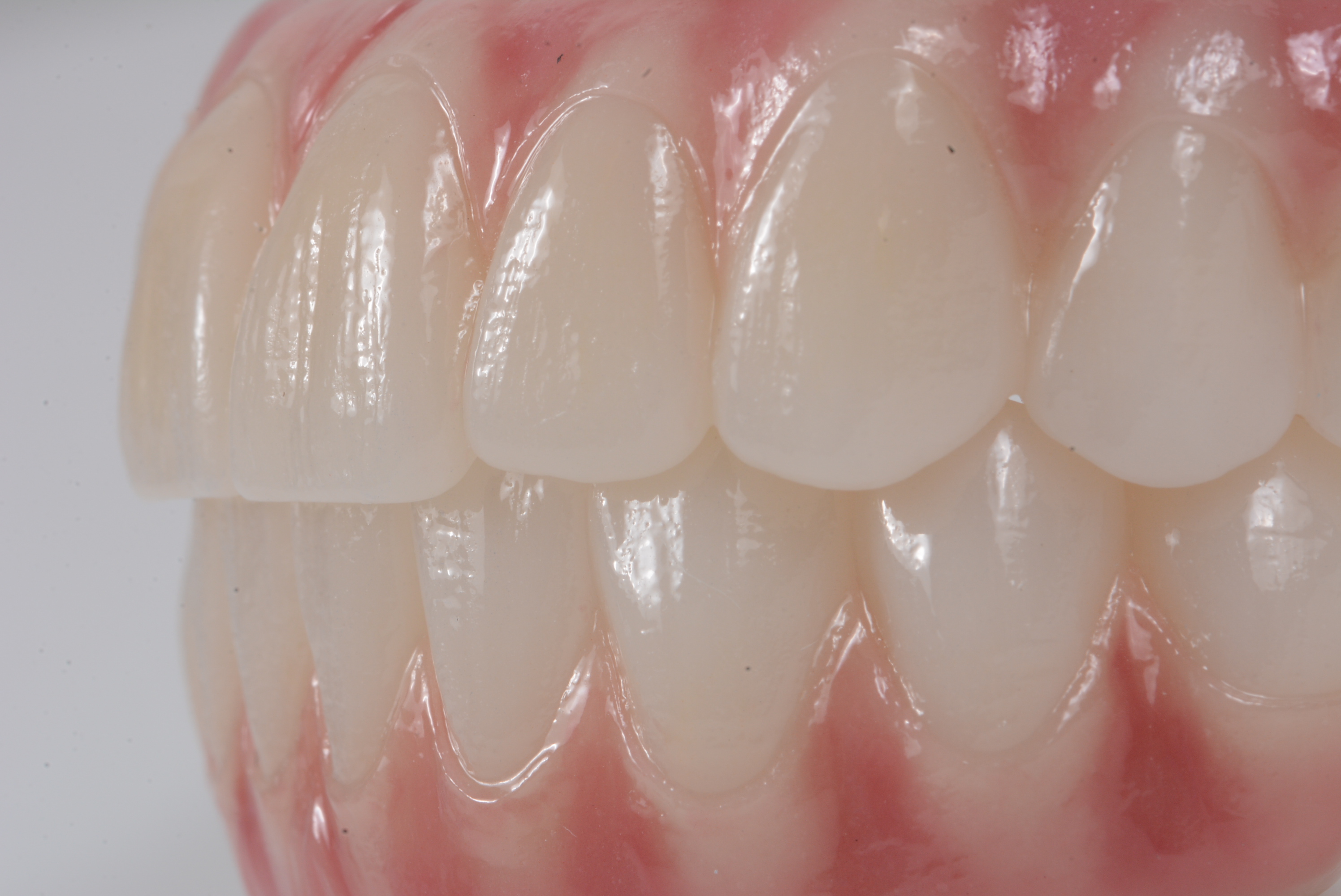
Four hands-on sessions
Across four supervised hands-on sessions, you will move from digital planning and guided implant placement to immediate-load provisionalization and full-arch restorative scanning.
Digital planning and surgical guide design
Guided full-arch implant placement
Immediate-load provisional restoration
Full-arch scanning and verification protocols
A short look at the instructors, digital planning, guided surgery and hands-on restorative stages that connect the initial diagnosis to the final prosthesis.
Ready to secure your seat?
Reserve seatYou want a complete digital, surgical and restorative workflow for full-arch implant cases.
You place or restore implants and want greater confidence coordinating complex full-arch rehabilitation.
You want hands-on experience with guided surgery, immediate loading and full-arch scanning.
You need clearer laboratory and CAD/CAM protocols for definitive prosthesis delivery.
You are looking only for single-tooth or short-span implant restoration training.
You want theoretical lectures without hands-on surgical and restorative practice.
You do not currently diagnose, plan, place or restore implant-supported cases.
Five connected stages in the order you will use them — a coordinated workflow for predictable full-arch rehabilitation.
Evaluate the patient and assemble the clinical, CBCT, photographic and digital records required for treatment planning.
Define the prosthetic design, implant distribution and surgical approach before creating the guide and provisional workflow.
Transfer the virtual plan to the patient with controlled implant positioning and a sequence designed for immediate restoration.
Create and deliver an immediate-load full-arch provisional that supports function, aesthetics and tissue healing.
Capture accurate implant positions, verify the records and coordinate CAD/CAM fabrication and delivery of the definitive prosthesis.
Study resources, workshop tools, supervised practice and meals are included so you can focus on mastering the complete rehabilitation workflow.
“The course strengthened my knowledge, my confidence, and ultimately the way I care for my patients.”
Dr. Elianne Vasquez
KADI Institute
“It’s not just lectures—it’s hands-on, real cases with real guidance that I’m already using in my own practice.”
Dr. Nasgoll Viola
KADI Institute
“Thanks to this course, I feel more confident making decisions and presenting the right treatment options to my patients.”
Dr. Ernesto Leon Caba
KADI Institute
Not generic speakers — recognized clinicians with real academic and surgical credibility, sharing the exact protocol they use.
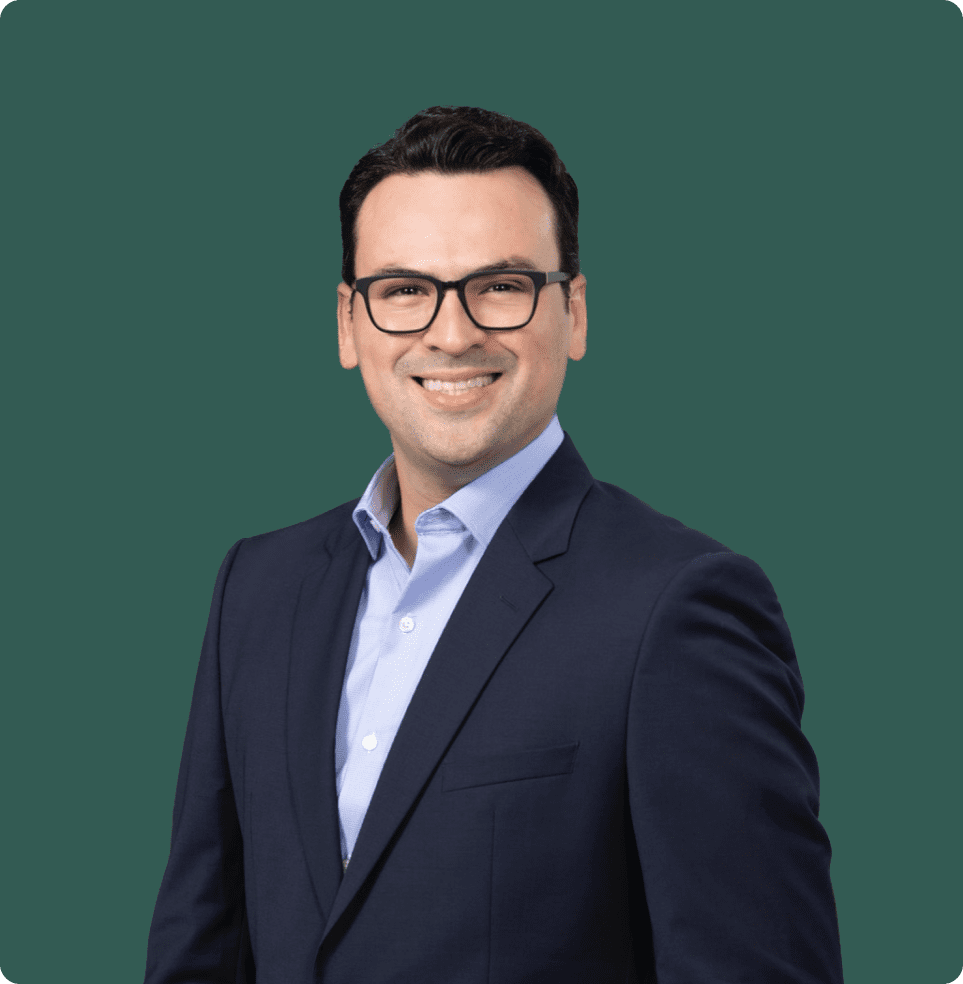
Dr. André De Souza is a distinguished professional with over a decade of clinical expertise in the fields of periodontics and implant dentistry. His remarkable journey in the dental profession has been marked by impressive achievements and a deep commitment to advancing the field.
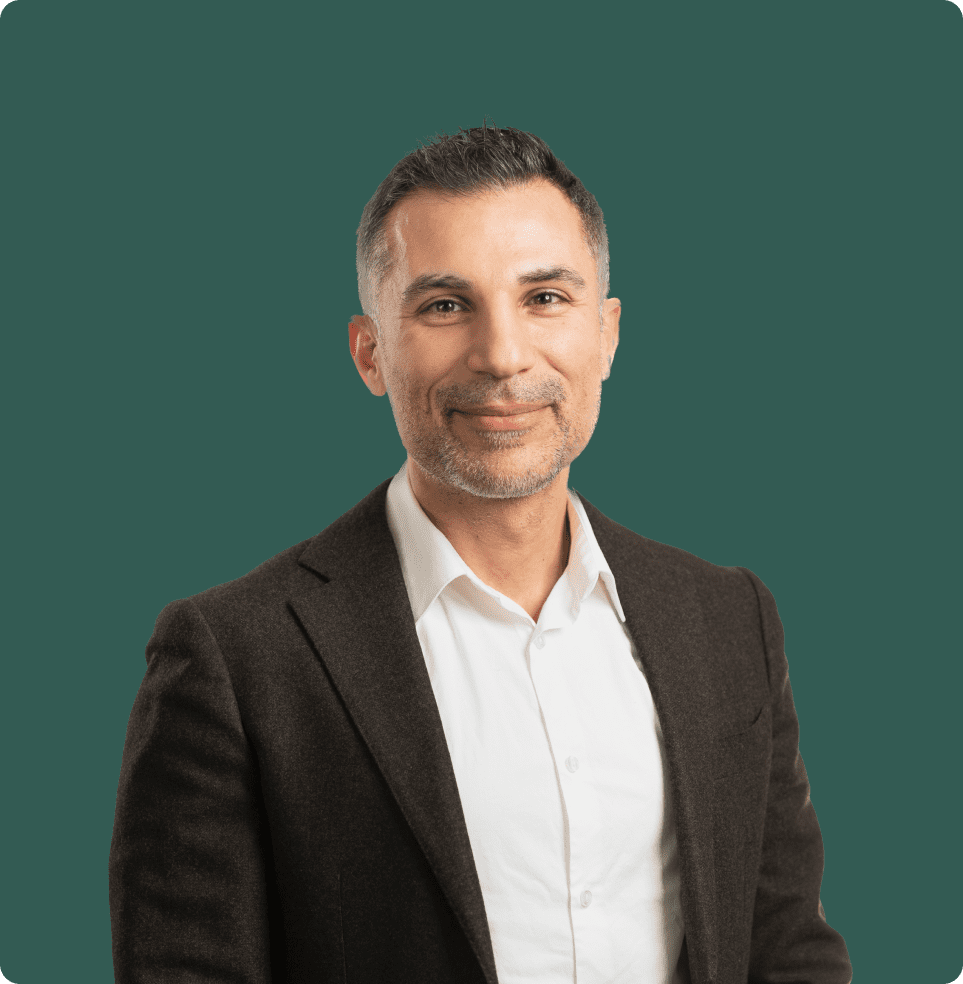
Dr. Panos Papaspyridakos is a distinguished professional with a rich and extensive background in the field of dentistry. He currently holds the position of Associate Professor of Postgraduate Prosthodontics at Tufts University School of Dental Medicine. Additionally, he serves as an Adjunct Associate Professor at the University of Rochester Eastman Institute for Oral Health.
Yes. It is designed for dentists who want to master the complete full-arch workflow, from digital planning and guided surgery to provisional and final restoration.
Yes. You will practice guided implant placement and immediate-load full-arch restoration on realistic simulation models under expert supervision.
Not necessarily. The course is structured to help clinicians at different experience levels build confidence and refine their techniques.
Yes. The course covers the complete process, including planning, guided surgery, provisionalization, digital scanning and delivery of the final prosthesis.
Yes. After completing the course, you can earn up to 20 CE credits recognized through AGD PACE.
Reserve your seat and build a repeatable protocol for digital planning, guided surgery, immediate provisionalization and final restoration.
Course investment
Two days. Four hands-on sessions. One complete full-arch workflow.