

Evaluate implant cases comprehensively
Combine medical, dental and social history with clinical examination, radiographic analysis and structured risk assessment.
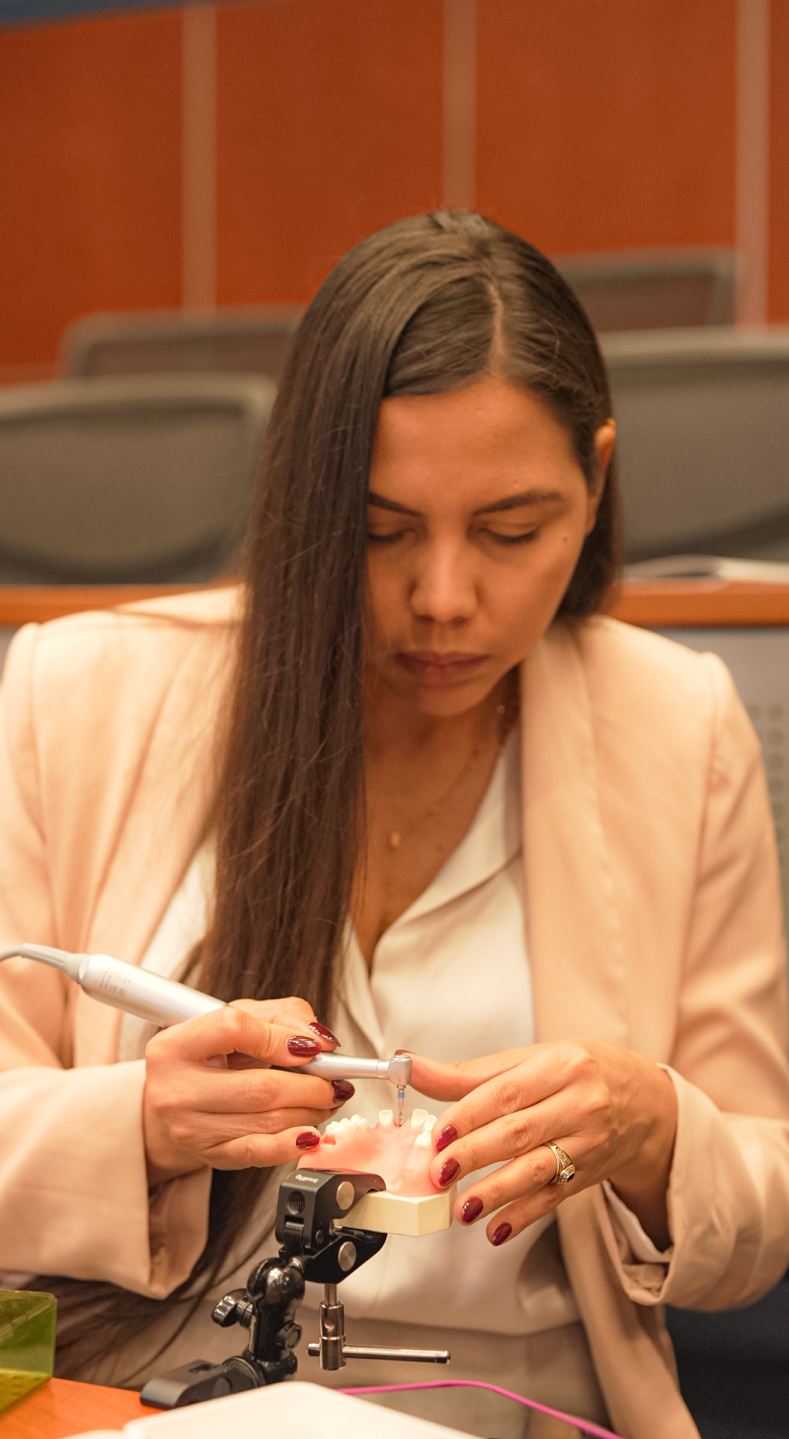
Move from CBCT planning to guided, freehand and immediate implant placement with a workflow you can repeat in practice.
Two days. Four hands-on sessions. One complete implant workflow.
INTENSIVE DAYS
HANDS-ON SESSIONS
CE CREDITS
PRACTICAL
This course answers the decisions that determine whether an implant case remains straightforward or becomes compromised: how to evaluate the patient, interpret the CBCT, choose the surgical approach and place the implant in the correct restorative position.
Most complications do not begin with the implant system. They begin with incomplete diagnosis, uncertain positioning or no clear protocol for moving from planning to surgery. These two days connect every step.
What you hear in the clinic
"I can plan an implant, but I am not always confident choosing guided, freehand or immediate placement."
What the course teaches
A repeatable workflow from patient evaluation and CBCT planning to guide design, osteotomy, placement and closure.
What changes Monday
Better case selection, clearer surgical decisions and implant positioning driven by the final restoration.
Six practical capabilities that connect diagnosis, digital planning and implant placement in one repeatable clinical workflow.
Combine medical, dental and social history with clinical examination, radiographic analysis and structured risk assessment.
Use three-dimensional imaging to define the restorative position, surgical anatomy and sequence before entering the operatory.
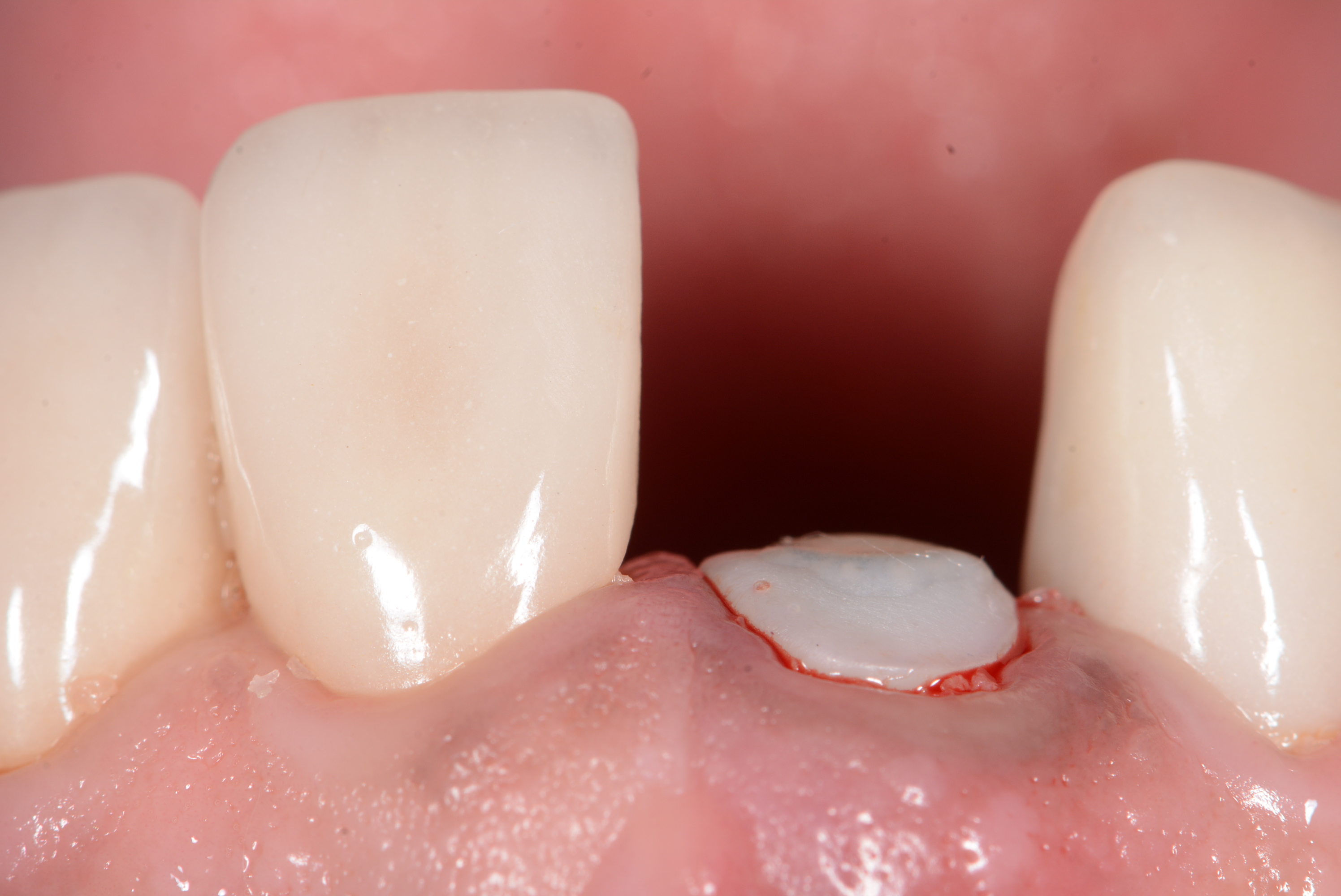
Understand when each approach adds value and select the workflow that matches the anatomy, restoration and clinical risk.
Prepare the site and control implant depth, angulation and orientation for a more predictable restorative outcome.
Apply case-selection and positioning principles in anterior and posterior extraction sites while protecting hard and soft tissues.
Use appropriate flap design, suturing, medications and post-operative protocols to support tissue stability and manage risk.
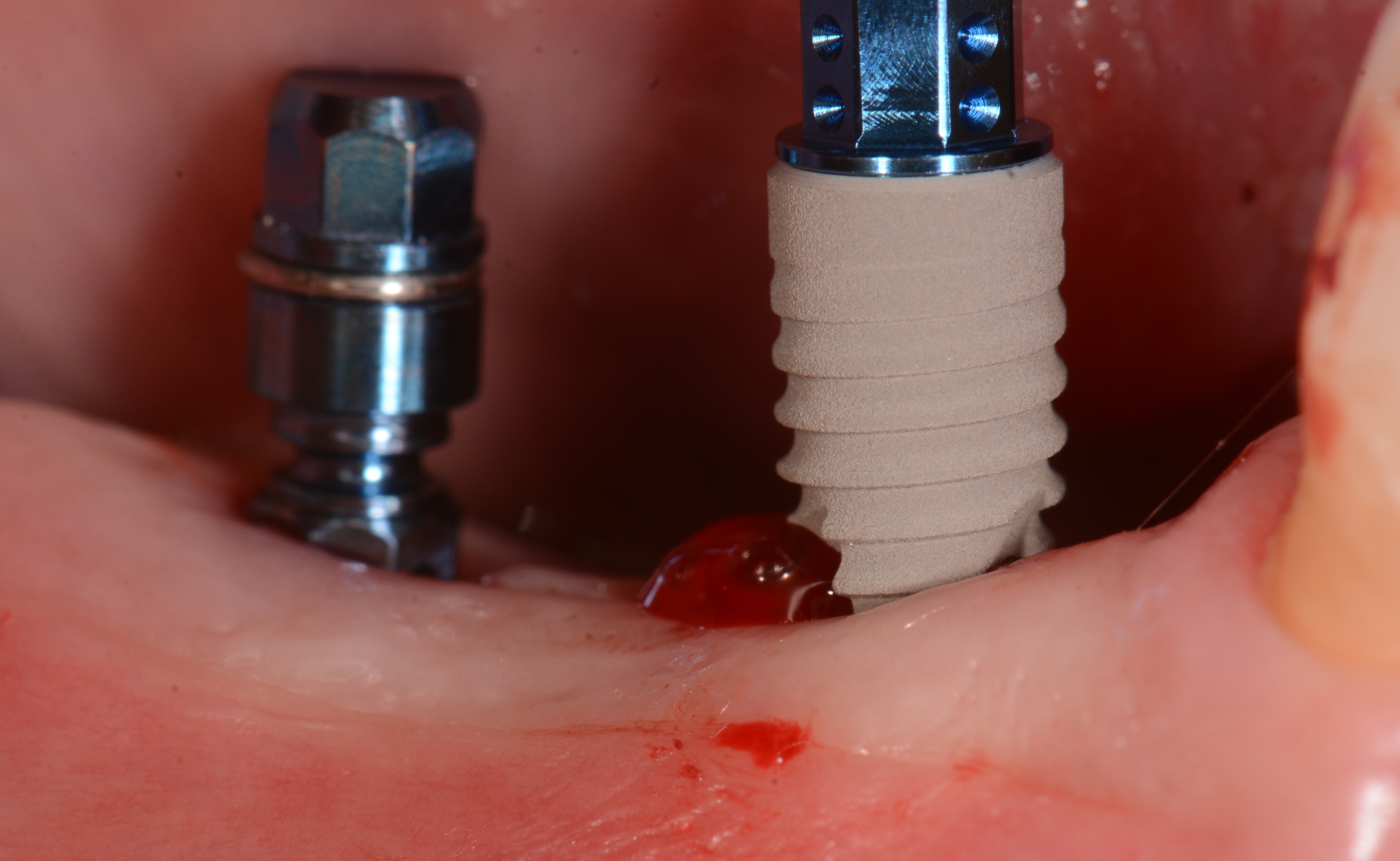
Four hands-on sessions
Across four supervised hands-on sessions, you will move from digital planning and surgical guide design to guided, freehand and immediate implant placement on realistic models.
CBCT-based planning and surgical guide design
Guided implant placement on realistic models
Freehand osteotomy and implant positioning
Immediate placement in anterior and posterior sites
A short look at the planning process, the instructors and the hands-on surgery so you know how the two days move from diagnosis to implant placement.
Ready to secure your seat?
Reserve seatYou want a complete workflow from diagnosis and CBCT planning to implant placement.
You place implants and want greater consistency in case selection and 3D positioning.
You want to combine digital planning with confident freehand surgical skills.
You need supervised practice in guided and immediate implant placement.
You are looking for a purely restorative course with no surgical training.
You want lectures without hands-on practice or direct feedback.
You are not currently prepared to evaluate or perform implant surgery in clinical practice.
Five connected stages in the order you will use them — a workflow that moves from patient evaluation to controlled healing.
Evaluate the patient, identify risk factors and determine whether implant therapy is indicated.
Translate anatomy and restorative goals into a three-dimensional plan and a usable surgical template.
Select the flap design, instrumentation and osteotomy sequence while protecting critical anatomy and tissues.
Place implants with controlled depth, angulation and orientation in healed and immediate sites.
Apply suturing, loading and post-operative protocols that support healing and long-term peri-implant health.
Study resources, workshop tools, supervised practice and meals are included so you can focus on building the complete surgical workflow.
“Completing the courses gave me a whole new level of confidence to offer my patients the best treatment.”
Dr. Sandrine Riboul
KADI Institute
“The course strengthened my knowledge, my confidence, and ultimately the way I care for my patients.”
Dr. Elianne Vasquez
KADI Institute
“It’s not just lectures—it’s hands-on, real cases with real guidance that I’m already using in my own practice.”
Dr. Nasgoll Viola
KADI Institute
Not generic speakers — recognized clinicians with real academic and surgical credibility, sharing the exact protocol they use.
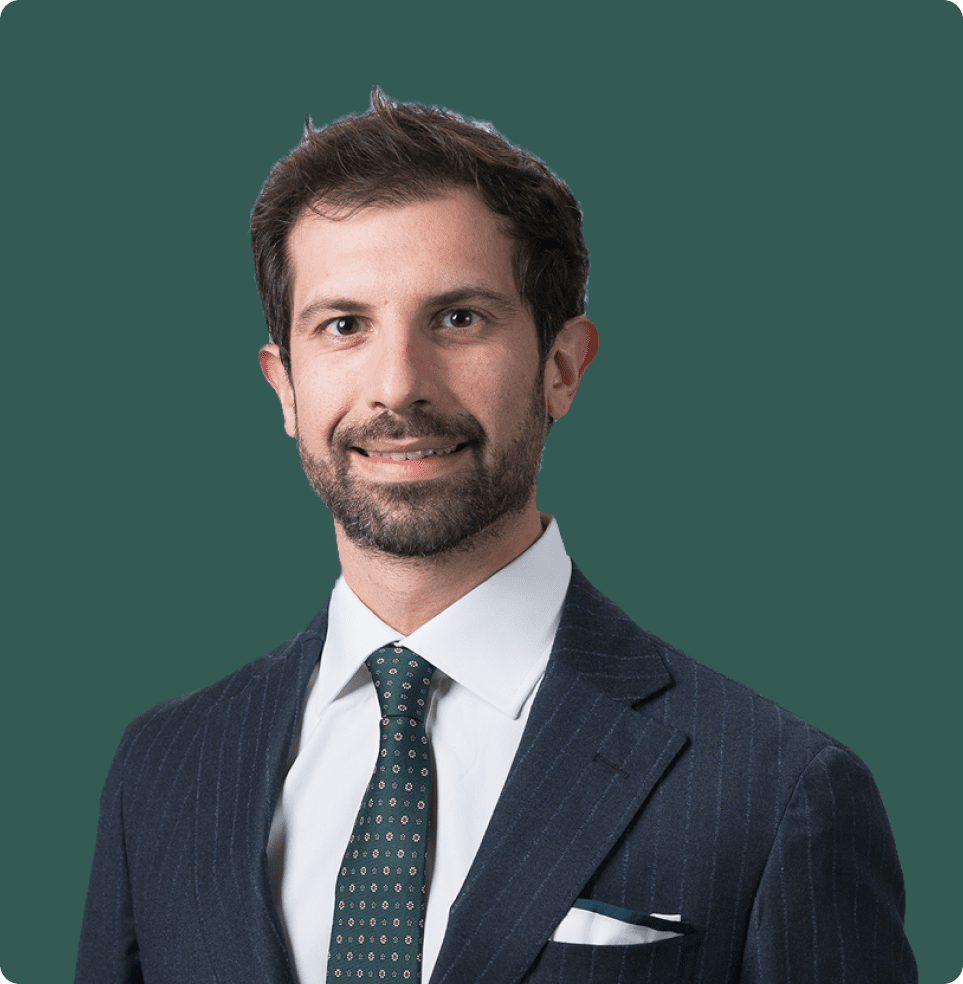
Dr. Lorenzo Mordini, DDS, M.S., is a distinguished periodontist and educator with a passion for research and teaching. Currently serving as the Director of the Department of Periodontology at Tufts University School of Dental Medicine, Dr. Mordini has dedicated his career to advancing periodontal and implant therapy through clinical practice, research, and academic leadership.

Dr. Ismael Khouly is a distinguished leader in the field of implant dentistry and the founder and clinical director of the Multidisciplinary Implant and Aesthetic Miami Institute now known as KADI Institute (Khouly Advanced Dental Institute). With a passion for education and a vision to bring accessible and high-quality learning to dentists worldwide, Dr. Khouly established this institute as a platform to share his extensive knowledge and experience gained throughout his illustrious career.
Yes. It is designed for general dentists and specialists who want to perform implant surgery more safely and confidently using guided, freehand and immediate-placement workflows.
Yes. You will work through the digital workflow from CBCT-based planning to the design and clinical use of your own surgical guides.
Not necessarily. The course reinforces foundational concepts while developing more advanced planning and surgical skills through structured, supervised practice.
Yes. The course includes four hands-on sessions in which you will plan and perform guided, freehand and immediate implant placement on realistic models under expert supervision.
Yes. After completing the course, you can earn up to 20 CE credits recognized through AGD PACE.
Reserve your seat and build a complete surgical workflow for guided, freehand and immediate implant placement.
Course investment
Two days. Four hands-on sessions. One repeatable workflow.